Contact us today:

(847) 934-4500
tdaro@bernardandcompany.com
Contact us today:
(847) 934-4500
tdaro@bernardandcompany.com

By Glen Guillemette, President of Guill Tool & Engineering Co., Inc., West Warwick, RI
Extrusion can be an inherently expensive activity and it is important to perform tool maintenance to minimize costs as much as possible. Extrusion processors need to be aware of the following factors in their attempts to be profitable:
■ Materials often cost more than labor.
■ Running a product oversize to hold the minimum tolerance can waste valuable material.
■ Downtime due to poor or damaged tooling is costly.
■ It is expensive to keep an extruder running if it is producing scrap.
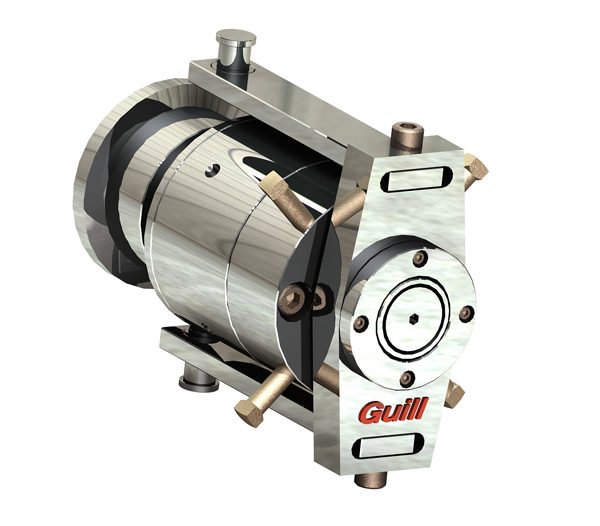
Appropriate tool maintenance addresses all the above issues. New tips and dies are machined to a determined specification, ensuring concentricity and alignment. It is important to remember that minor misalignment of the tools may result in major problems in the final product.
Another adverse effect of unnecessary die adjustment is the stress introduced to the extrude caused by unbalanced flow. The net effect is the final product retains memory of this imbalance and unpredictable die swell occurs.
Dirty, neglected and improperly adjusted tools contribute to excessive material use. In turn, this complicates the die’s ability to maintain a minimum thickness tolerance. The excess material results in unnecessary costs that directly affect the profitability of the company and may in turn harm a valuable relationship with your customers.
Maintenance and cleaning of tooling is necessary and, when you are fully prepared for it, relatively easy. This is an important, controllable function that ensures a quality extruded product – one that meets dimensional specifications, maintains the specified minimum tolerance and delivers an economically produced end product.
Preparing For Proper Maintenance
Use a dedicated work cart exclusively reserved and equipped for extruder head maintenance. This cart should have a supply of spare components and hardware. Create a clean, organized work area with soft and clean renewable work surfaces. The work cart should include:
■ A vise with jaws of a soft metal, such as copper.
■ Special equipment, such as tip-removal tools.
■ Standard tools such as wrenches and soft-faced hammers.
■ A supply of soft, clean rags.
■ Spray bottles of cleaning solutions.
■ Spare parts suggested by your tooling supplier, properly organized and stored. The operator’s manual contains a list of these.
■ The repair and maintenance manual, provided with your equipment.
■ A small surface plate for a true, flat surface.
Cleaning Your Equipment While It Is Still Hot
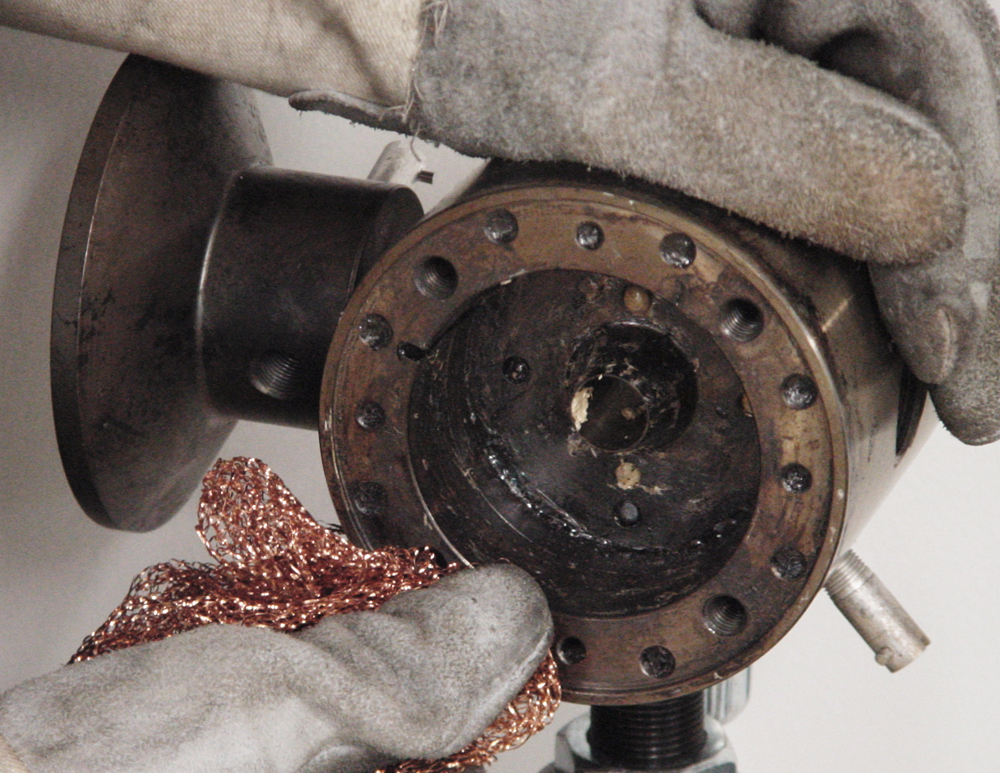
In a die, the core tube goes to the back of the head and is adjustable. It is drawn in and out to adjust the gum space when the material is drawn out of the head. A careful cleaning is critical to ensure a smoother flow transition of the material.
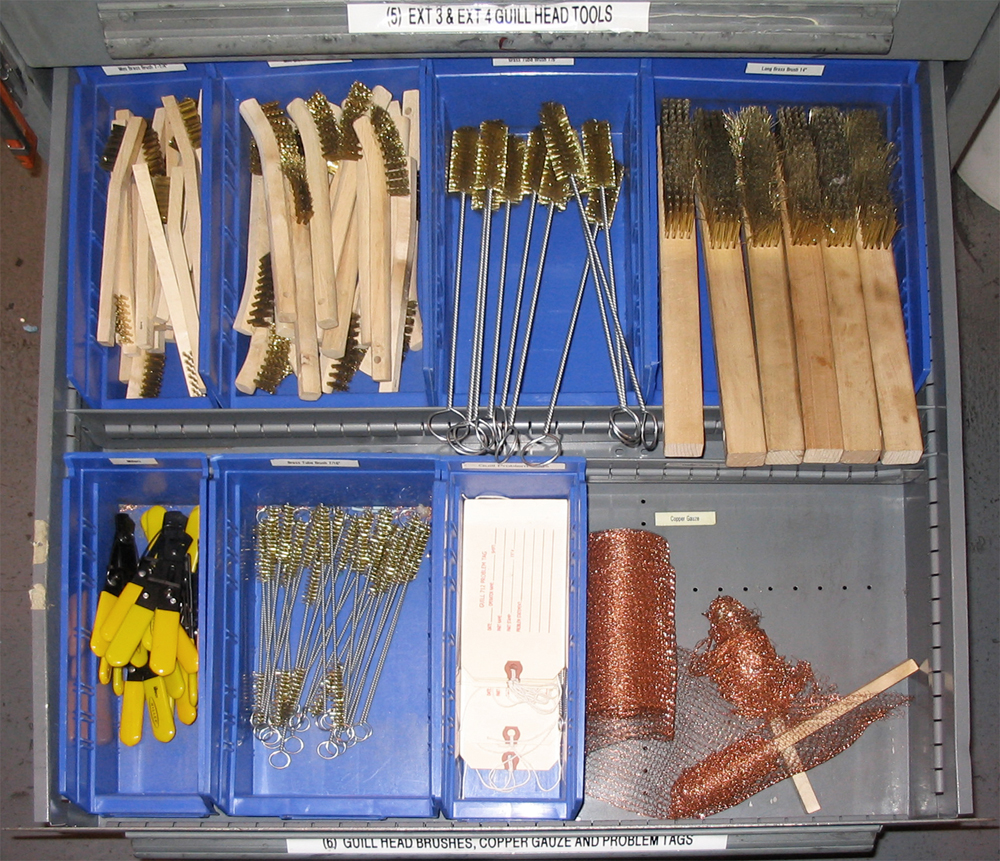
Select tools and materials for cleaning:
• Brass pliers to grip material and aid in pulling.
• Brass scrapers, available in different widths for cleaning flat exposed surfaces.
• Brass bristle tube brushes, available in diameters from 1/16” to 1”, in 1/16” increments, ideal for cleaning holes and recesses.
• Brass rods – different diameter rods are good for pushing material out of flow holes.
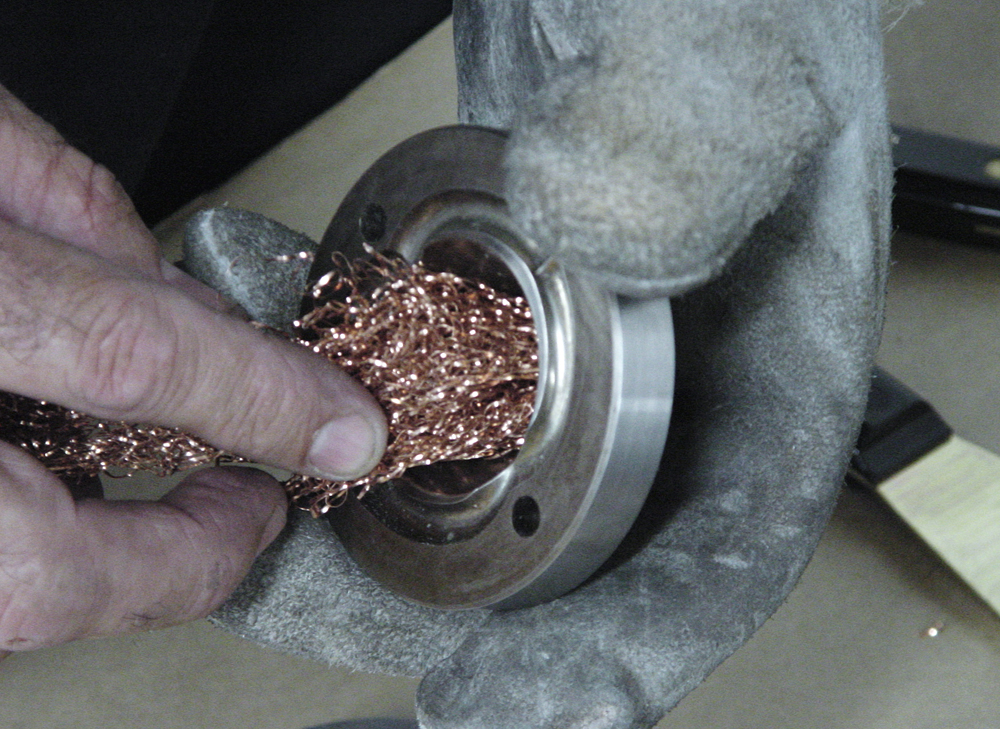
• Copper gauze for cleaning and polishing exposed round or conical surfaces.
• Copper knives for removing residue from recesses and other hand-to-reach areas.
• Polishing compound to restore polished surfaces.
• Compressed air, which is more effective for releasing plastic but also aids in rubber removal. Be careful not to force debris into recesses with compressed air.
• Cleaning solutions may be useful – remember to use fresh, clean rags, as used rags often have metal chips embedded in them, which may scratch polished surfaces.
Make sure you have all the proper lifting aids available, including overhead hoists and hydraulic lifts. In most situations, the head and tooling are still at high temperatures. Therefore, properly lined gloves are needed when handling. Get help for moving heavy parts in awkward situations. Surfaces and edges are hard and therefore somewhat brittle, so dropping a part or striking parts together can result in damage.
Store you tools properly in a dry, clean area. A dedicated spot for each tool is best. These areas should have soft surfaces and each instrument should be covered after cleaning. Tools should be segregated so that they do not come in contact with each other. Clean all instruments thoroughly before storage.
For disassembly of tooling, it is imperative to use purpose-built tools to facilitate disassembly. These should be available from your tooling supplier but if they are not, consult with a reputable tooling house for replacement.
Check Your Operator’s Manual
Follow the guidelines outlined in your operator’s manual. Individual tools may have specific recommendations, so contact your supplier if anything is unclear. They understand that optimum performance relies upon proper care and maintenance, so they’ll be happy to help. Here are some useful tips:
• Clean your equipment while it is still hot, since residue will be easier to remove. It helps to remove and clean one piece of tooling at a time, to maintain elevated temperatures.
• When cleaning dual-compound crossheads, such as plastic and rubber, always clean the plastic tooling first and the rubber tooling second.
• Never use steel tools such as scrapers or screwdrivers. These can scratch and mar the tooling.
• Do not use open flames. This generates excessive heat, especially in thin sections, which can affect hardness, concentricity and tolerances of components.
• Cleaning oven – use for plastic only, not rubber. Follow the manufacturer’s recommendation. If no temperatures are specified, do not exceed 850°F and do not quench the tooling to cool, because this could affect the hardness, concentricity and tolerances of the tool parts.
• Cleaning materials – several compounds are available to purge the extruder screw and barrel of residual polymer. This helps considerably in the final cleanup.
Die components, especially those with sealing and locating surfaces, are a key to the performance and successful end products. These surfaces received the most care and attention during manufacturing and are the control surfaces that ensure uniformity throughout. Precision-machined alignments are affected by even a speck of dirt measuring only a couple thousandths of an inch. A human hair is about three thousandths of an inch in diameter and, since there are many such surfaces in a high-quality tool, cleanliness is critical.
It is important to check tools for deformities. Burrs, scratches, and scrapes are usually a result of careless handling and/or storage of equipment.
When compared to single-layer heads, all multi-layer extrusion heads pose an even greater challenge for maintenance. The number of sealing and centering surfaces multiplies and can magnify the result of dirty tools.
During changeovers, the head may be disassembled to change compounds and/or tips and dies.
Foreign matter is usually introduced at this time and residual materials must be thoroughly removed.
Physical tool damage often occurs during this phase due to mishandling and poor storage techniques. These are highly precise parts but can also be heavy and bulky to remove by hand.
Make Repairs As Needed
Examine all surfaces for any irregularities such as burrs and scratches, since these must be repaired before the head is reassembled. Most manufacturers recommend using a hand polishing stone to remove the burrs present. Follow stoning with a application of a 600-grit emery cloth if necessary, but avoid rounding edges that are intended to be sharp.
Flat sealing surfaces can be cleaned using a stone, followed by a 600-grit emery cloth. Place the cloth on a clean, flat surface, preferably a surface plate, then apply friction in a circular hand motion until the area is clean and even. The parts in question should all be hardened steel alloys and will not be adversely affected using these methods. Inconel, Monel and Hastelloy are typically not heat-treated, requiring special care and handling to avoid any damage.
Putting It All Back Together
Working from your dedicated tool cart, follow the die manufacturer’s instructions for reassembly. Give each component a final wipe down with a clean rag before installing. Even the smallest amount of grit, dirt and residual material must be removed.
Use either mechanical or manual assistance for heavy and awkward components to avoid unnecessary mishaps. Reapply anti-seize compound to all fasteners, if required.
Tighten fasteners to the manufacturer’s recommended specification, as well as in the recommended sequence. This fastening sequence should be specified in the manual and is generally in a star pattern, tightening gradually until the proper torque is achieved. This prevents distortion of the tooling.
One of a die manufacturer’s main goals is to form a concentric cone of compound as quickly and accurately as possible in the primary section of the die, when the extrudate first emerges from the die’s distribution capillaries.
A properly designed and manufactured die has even distribution close to the extrudate entrance point, but this effort is negated once the die is adjusted, shifting the extrudate off to one side. An eccentric cone is formed in the primary area and a concentric cone exits at a point in the process, rather than a smooth, continuous flow path with decreasing volume. A properly manufactured and aligned extruded head, along with well-maintained tooling, should require little or no adjustment.
FOR MORE INFORMATION, PLEASE CONTACT:
Guill Tool & Engineering Co., Inc.
10 Pike Street
West Warwick RI, 02893, USA
Tel: 401-828-7600
Email: sales@guill.com
www.Guill.com
About the company
Guill is a leading Extrusion Tooling Designer & Manufacturer, with over 65 years of experience. Our engineers specialize in polymer extrusion tooling design, utilizing the most advanced technology available. We draw on our years of experience to tailor tooling and die design for your industry, helping you increase efficiency and decrease production cost when operating your extruders. From extruding PVC pipe and wire & cable jacketing to complex profile co-extrusions for multi-layer and multi-lumen medical tubing, we are committed to helping customers produce the best end products possible. Guill designs, engineers, machines, tests and delivers our equipment worldwide to the extrusion market. The company also runs a full rheology and test extrusion lab.
Continue reading
Guill Tool, a global leader in extrusion tooling, is pleased to announce the appointment of Stephen Ovren as the company’s sales manager. The announcement was made by Chuck Paull, Chief Marketing Officer, at the company’s West Warwick, Rhode Island headquarters.

Ovren obtained an M.B.A from the University of Miami Florida and his B.S. in Industrial Technology and Manufacturing Engineering from the University of Wisconsin-Stout Polythetic.
Prior to Guill, Ovren was a Senior Business Consultant at GES/GRB Consulting and General Manager at ATW Companies. The former organization provides strategic partnership through team extension to the Submarine Industrial Base, while the latter is a supplier of precision tubing and fabricated metal components for the medical, aerospace, telecommunications, industrial and defense sectors.
On March 23, 2026, Ovren became the company’s Sales Manger for the Extrusion Division. His responsibilities include sales, marketing and customer service.
In addition to spending time with his family, Ovren enjoys business, technology and music. His hobbies include sailing, boating, travelling and sports.
Commenting on this new hire, Paull said, “We’re thrilled to have Stephen on our team. His previous experiences in tubing as well as work in the submarine industry are an asset.”
For more information, please contact:
Chuck Paull, Chief Marketing Officer
Guill Tool & Engineering
10 Pike Street
West Warwick, RI 02893
USA
Phone: 401- 589-6883
cpaull@guill.com
With more than 60 years of experience, Guill is a recognized leader in the design and manufacture of extrusion technology for numerous applications including medical tube, multi-lumen and multi-layer, profile products and fiber optics. Also included in our suite of products is extrusion tooling for automotive hose & tube, industrial hose & tube, pipe, blow molding, food, pelletizing, rubber & silicone, wire & cable and wood composite.
Our engineers specialize in custom extrusion tooling design, utilizing the most advanced technology available. We draw on our years of experience to tailor tooling and die design for your industry, helping you increase efficiency and decrease production cost when operating your extruders. Guill designs, engineers, machines and delivers our equipment worldwide to the extrusion market. Based proudly in Rhode Island (USA), we also maintain a European sales office to better serve our partners in the EU.
Continue reading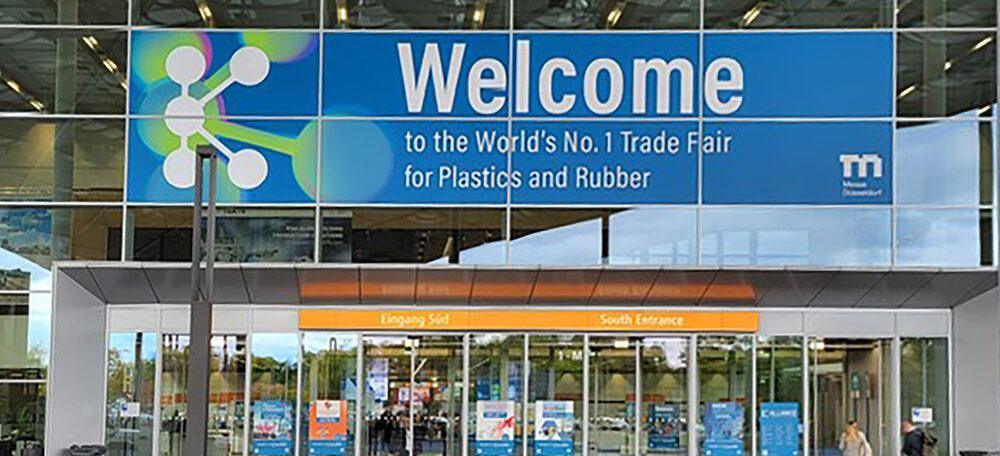
Guill Tool & Engineering, the global leader in extrusion tooling, attended the K Show in Dusseldorf, Germany from October 8th to the 15th. Guill’s technical sales engineer shared his thoughts on the companies they met at the show, the international extruders they’ve partnered with, intriguing applications as well as what caught his attention. Additionally, the company’s European sales manager discussed the role of Guill Tool Europe.
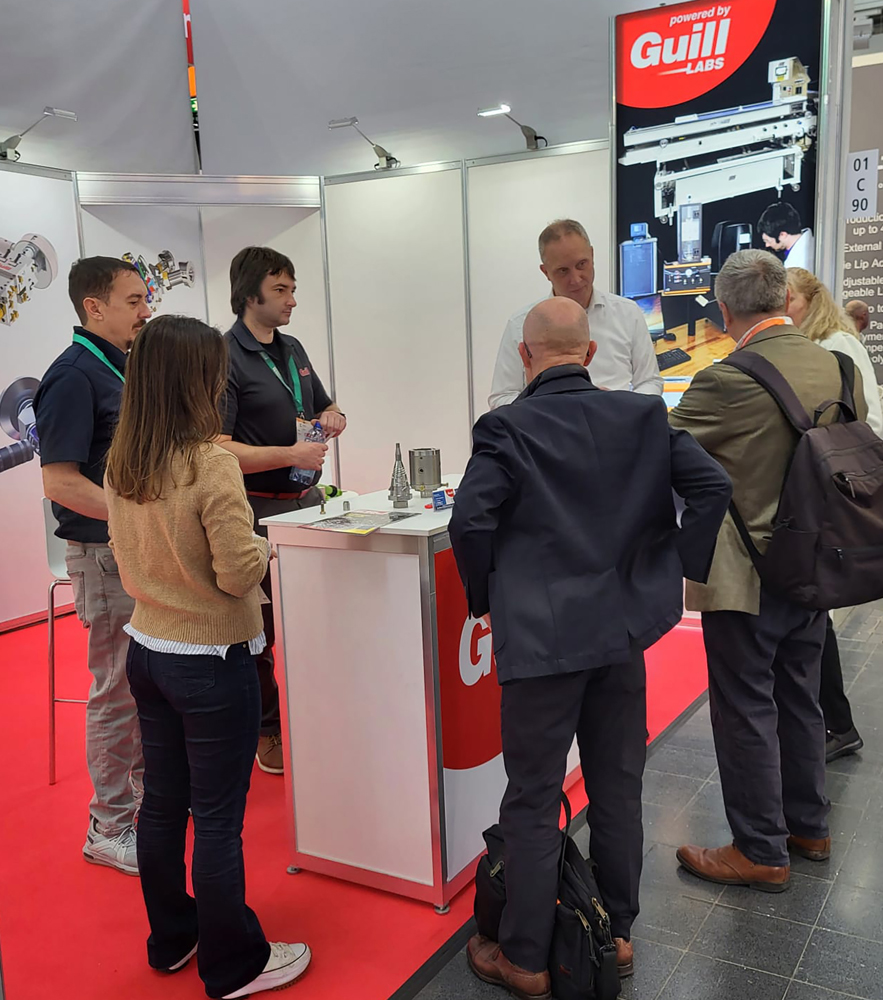
Visitors at the Guill booth
Known as the world’s premier plastics trade fair, K brings together global pioneers from the plastics and rubber industry. Located in Hall 1, booth C90, Guill Tool & Engineering’s team included Peter Leary, Technical Sales Engineer, Extrusion Division, Jacob Marcure, Design Engineer and Gerjan ter Wal, Sales Manager in Europe.
Commenting on the companies met at the show Leary said, “We met a wide range of companies across the extrusion and plastics industry including wire and cable manufacturers, medical tubing producers, compounding specialists and machinery OEMs. There was also a strong representation from raw material suppliers, large pipe extrusion and automation/controls providers, which gave us valuable insights into emerging technologies and potential partnerships.”
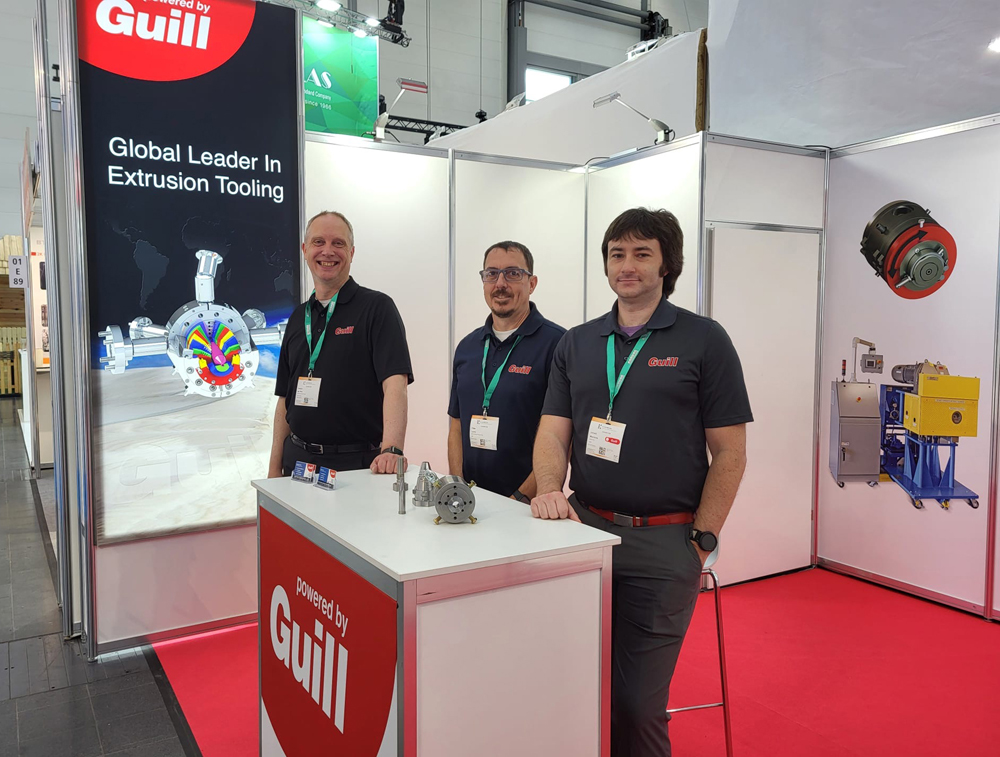
From left, Gerjan, Peter and Jake
Guill interacted with extruders and processers from all over the world, including Europe, Asia and the Americas. Leary added, “A handful were existing customers stopping by to discuss current projects, but we also met a large number of new potential partners interested in Guill’s precision crosshead and tooling capabilities.” The company has contacts in China, Mexico, India, Greece, Turkey, Thailand, the UK, Australia and Algeria. Additional countries include Sweden, Japan, France, Finland, Chile, Poland, Singapore, the Netherlands, New Zealand, Egypt, Indonesia, Ireland, Brazil, Kenya and Switzerland.
Several applications stood out to Leary, notably multilayer medical tubing and advanced materials for sustainable production. He observed notable interest in tools that handle recycled or bio-based polymers while maintaining tight tolerances and flow balance.
Leary was impressed with the scale and diversity of the K Show. “One highlight was seeing the increasing integration of digital process monitoring and AI-driven control systems.”
Regarding Guill Tool Europe, ter Wal said that one of the goals expressed by visitors was to optimize their extrusion process and that the European office can help ensure smooth communication and planning for new production solutions.
For more information, please contact:
Tom Baldock, Sales Manager, Extrusion
Guill Tool & Engineering
10 Pike Street
West Warwick, RI 02893
USA
Phone: 401-465-5526
tbaldock@guill.com
Guill Tool, the global leader in extrusion tooling, announces its 10-Day Program. This program applies to eligible tips and dies that will be shipped within 10 business days of receiving the purchase order from the customer.
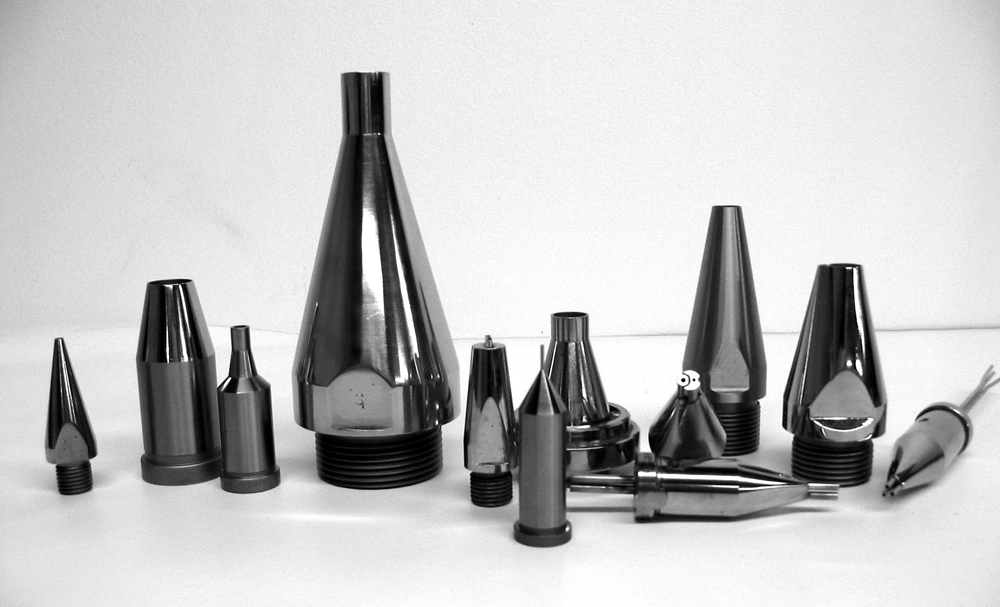
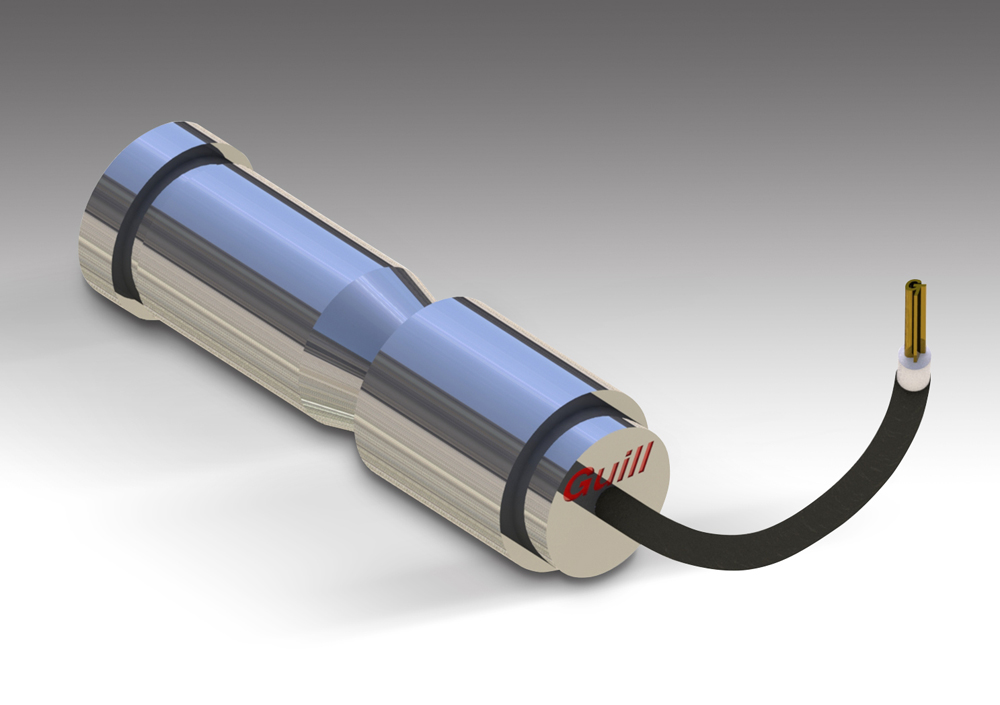
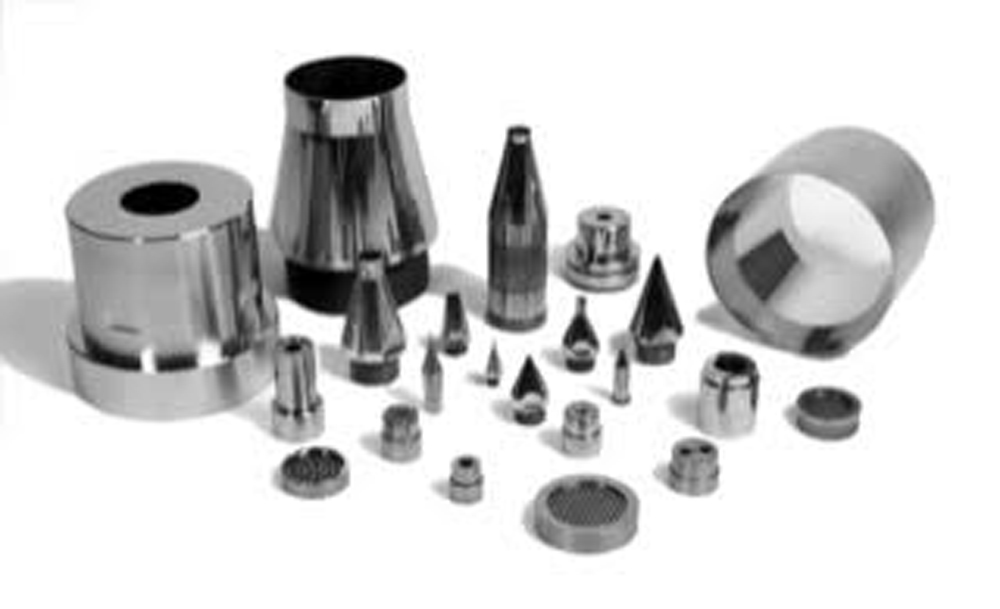
Guill high-quality precision tips and dies have been manufactured in the U.S. for over 65 years. All Guill extrusion tools are produced using certified and documented quality steel material, specifically qualified for the polymer to be extruded. Furthermore, Guill designs tips and dies for any application the customer requires. These feature multi-lumen, stripe, multiple stripe, wire and cable, hose, pipe, tube, fiber optic, blown film, corrugated tube and profile. Dies include face seal, shouldered, snap-together, floating, die plate, interchangeable die plate and custom dies. Available tips include single and multi-lumen, threaded style, snap-together, fixed-center shoulder, profile, tapered style and custom.
To learn which tools are eligible for the program, check with the company or local Guill sales representative. For all other parts, company personnel will review the customer’s drawing to determine eligibility for the program.
Eligible tips and dies for this program must have a diameter less than 1.5” and a length less than 4.75.”
Guill proudly manufactures its products in the U.S. under the quality standards of ISO 9001:2015 and AS9100:2016.
For more information, please contact:
Tom Baldock, Sales Manager, Extrusion
Guill Tool & Engineering
10 Pike Street
West Warwick, RI 02893
USA
Phone: 401-465-5526
tbaldock@guill.com
 Guill Tool, the global leader in extrusion tooling, has hired a new sales representative firm. Located in Roswell, Georgia, JCM Plastics Machinery is a plastics and rubber manufacturing equipment representative, covering the Southeastern U.S. territory.
Joseph Guigli, the company’s President/Owner, holds a B.S. in Mechanical Engineering from the University of Vermont. After graduation, he started working at Davis Standard in Pawcatuck, Connecticut. For the next 17 years, Guigli held various positions within the company ranging from mechanical engineer, screw designer, product manager, to regional sales manager and then Vice President of sales for the North American aftermarket.
Covering North Carolina, South Carolina, Georgia, Tennessee and Alabama, Guigli’s primary responsibility is to sell the extrusion product portfolio to existing and new customers. This includes “… providing these customers with the best buying experience possible from the time a project is kicked off until the customer is successfully using the equipment.”
When asked what he enjoys the most about working with Guill and his hopes regarding his role, Guigli said, “Guill has a strong name in the market, and they make a good product. I’m happy to be attaching my name and my company to Guill because of these reasons. I hope to bring my almost 20 years of industry experience to the customer base here in the Southeast.”
In addition to the rubber and plastics extruder market, Guigli also serves the construction, infrastructure, medical, food, industrial packaging and home care products markets.
For more information, please contact:
Tom Baldock, Sales Manager, Extrusion
Guill Tool & Engineering
10 Pike Street
West Warwick, RI 02893
USA
Phone: 401-465-5526
tbaldock@guill.com
Continue reading
Guill Tool, the global leader in extrusion tooling, has announced its 10-day program. This program applies to eligible tips and dies that will be shipped within 10 business days of receiving the purchase order from the customer.
The company’s quality precision tips and dies have been manufactured in the U.S. for 62 years. All Guill extrusion tools are produced using certified and documented quality steel material specifically qualified for the polymer to be extruded. Furthermore, Guill designs tips and dies for any application the customer needs. These feature multi-lumen, stripe, multiple stripe, wire and cable, hose, pipe, tube, fiber optic, blown film, corrugated tube and profile. Dies include face seal, shouldered, snap together, floating, die plates, interchangeable die plate and custom dies. Available tips include single and multi-lumen, threaded style, snap together, fixed center shoulder, profile, tapered style and custom.
To find out which tools are eligible for the program, check with any sales representative. For all other parts, company personnel will review the customer’s drawing to determine if it is eligible for the program.
Eligible tips and dies for this program cannot be plated and must have a diameter less than 1.5” and a length less than 4.75.”
Guill proudly manufactures its products in the U.S. under the quality standards of ISO 9001:2015 and AS9100:2016.
For more details, visit www.guill.com/tooling-cell
For more information, please contact:
Tom Baldock, Sales Manager, Extrusion
Guill Tool & Engineering
10 Pike Street
West Warwick, RI 02893
USA
Phone: 401-465-5526
tbaldock@guill.com
Guill Extrusion Division Enters Pultrusion Market with Advanced, Custom-Engineered Tooling Solutions
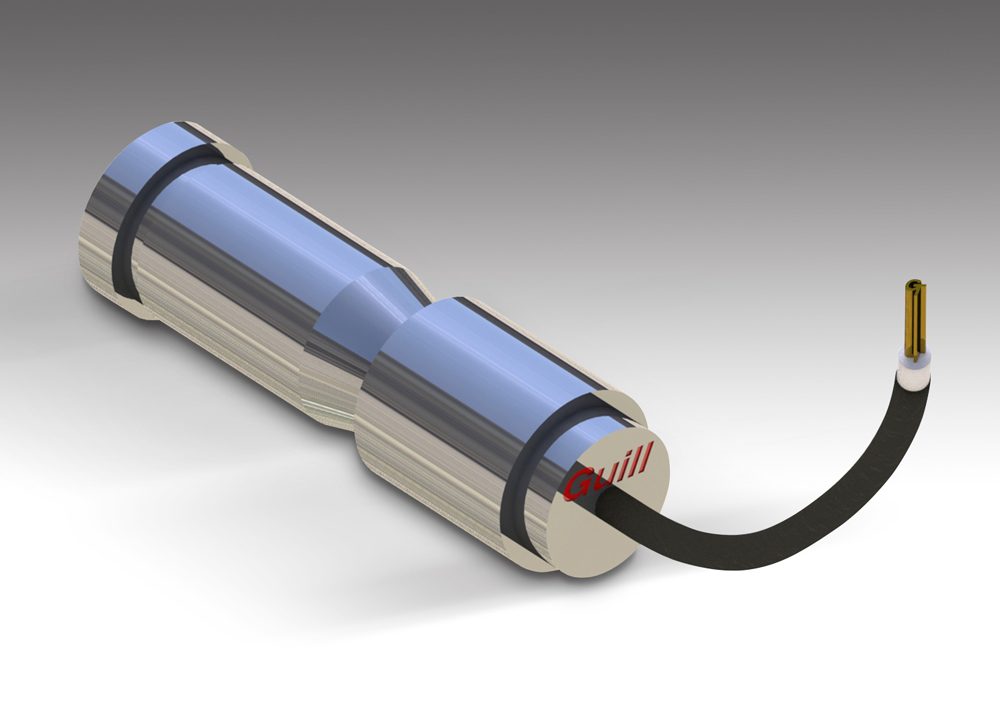
Guill, a global manufacturer and designer of extrusion dies, proudly announces the expansion of its product portfolio to include custom-engineered pultrusion dies. This strategic move marks a significant advancement in providing comprehensive, high-quality tooling solutions for industries such as automotive, aerospace, construction, energy, marine, sporting goods and telecommunications.
As the demand for pultruded composites grows due to their strength, durability and lightweight properties, Guill is well-positioned to meet this need. Leveraging its expertise in extrusion tooling, Guill is now applying its precision engineering capabilities to develop innovative pultrusion dies tailored to the specific requirements of each target industry.
“We are excited to enter the pultrusion market with our advanced tooling solutions,” said Peter Leary, Technical Sales Engineer at Guill. “Our extensive knowledge of extrusion processes and commitment to custom engineering enable us to design dies that not only meet but exceed our clients’ expectations in terms of performance, efficiency and quality.”
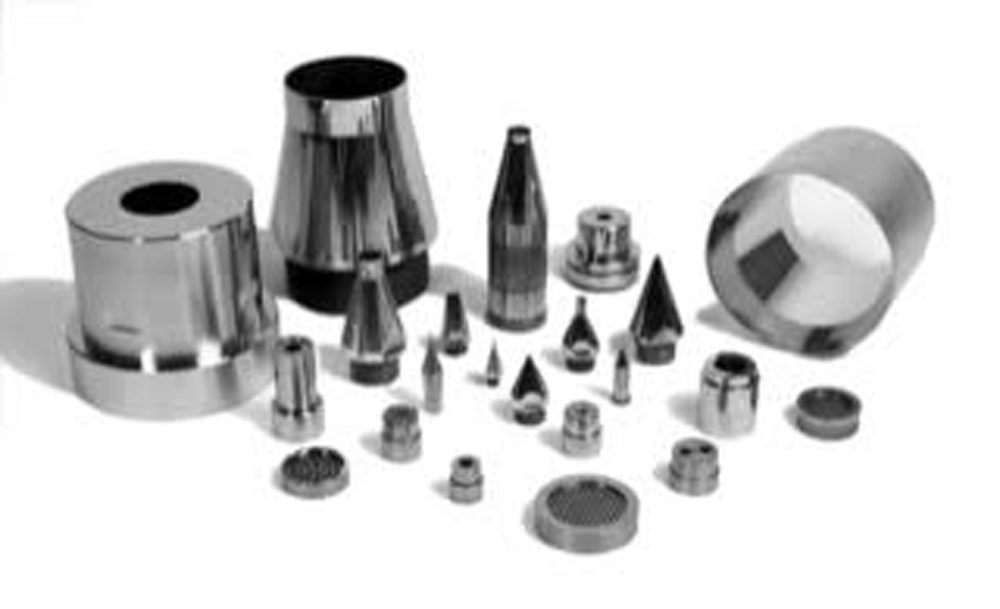
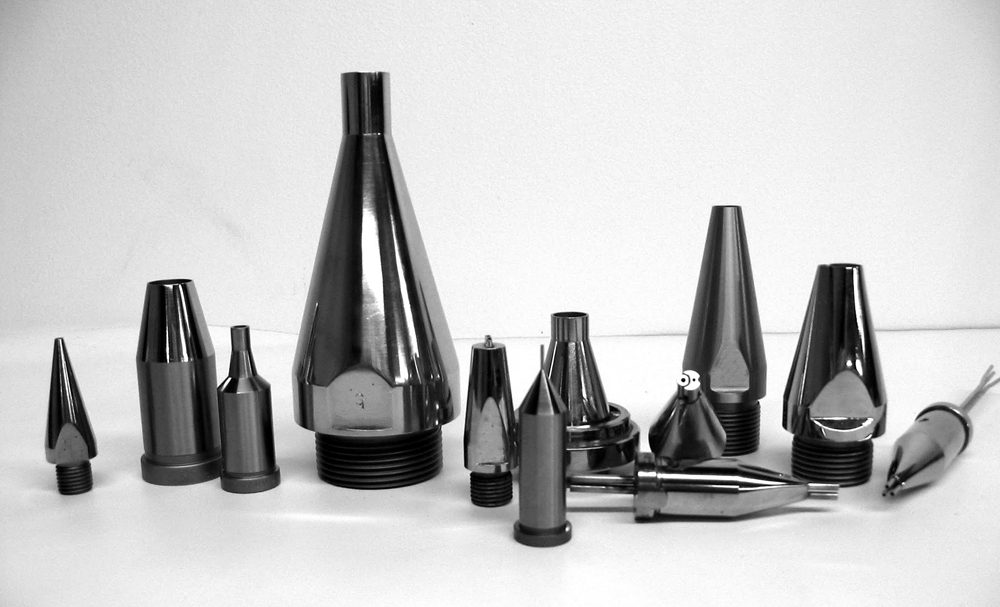
The Guill Tool Extrusion Division has a long history of designing and manufacturing tooling for various applications, including medical tubing, wire and cable coating, hose production and multi-layer extrusions. Its capabilities include creating multi-layer crossheads, in-line, reciprocating, rotary dies and a variety of other custom solutions supporting materials such as plastics, rubber and silicone.
New Pultrusion Tooling for Advanced Composite Applications
Guill’s new line of pultrusion dies is engineered for industries utilizing fiber-reinforced polymers (FRP), such as:
* Fiberglass Reinforced Polymers (FRP)
* Carbon Fiber Reinforced Polymers (CFRP)
* Aramid Fiber Reinforced Polymers (e.g., Kevlar)
These dies are compatible with a range of polymer matrices, ensuring versatility and high performance across different applications.
Tom Baldock, Guill sales manager, is looking forward to introducing a whole new set of customers to the company’s dies. He notes, “Pultrusion is a cost-effective process for producing parts with a constant cross section in high volumes, requiring relatively little labor. Fiber-reinforced polymer (FRP) pultruded composites are durable, corrosion-resistant and eco-friendly.”
For more information, please contact:
Tom Baldock, Sales Manager, Extrusion
Guill Tool & Engineering
10 Pike Street
West Warwick, RI 02893
USA
Phone: +1 401-828-7600
tbaldock@guill.com
About Guill
Guill is a global manufacturer specializing in custom extrusion tooling and industrial equipment. With a focus on precision engineering and computational fluid dynamics, Guill provides tailored solutions that address industry-specific challenges. The company’s mission is to deliver innovative, high-quality equipment that supports efficient, reliable production processes for customers worldwide. Based in West Warwick, Rhode Island, the company also operates Guill Tool Europe to serve its ever-expanding customer base there.
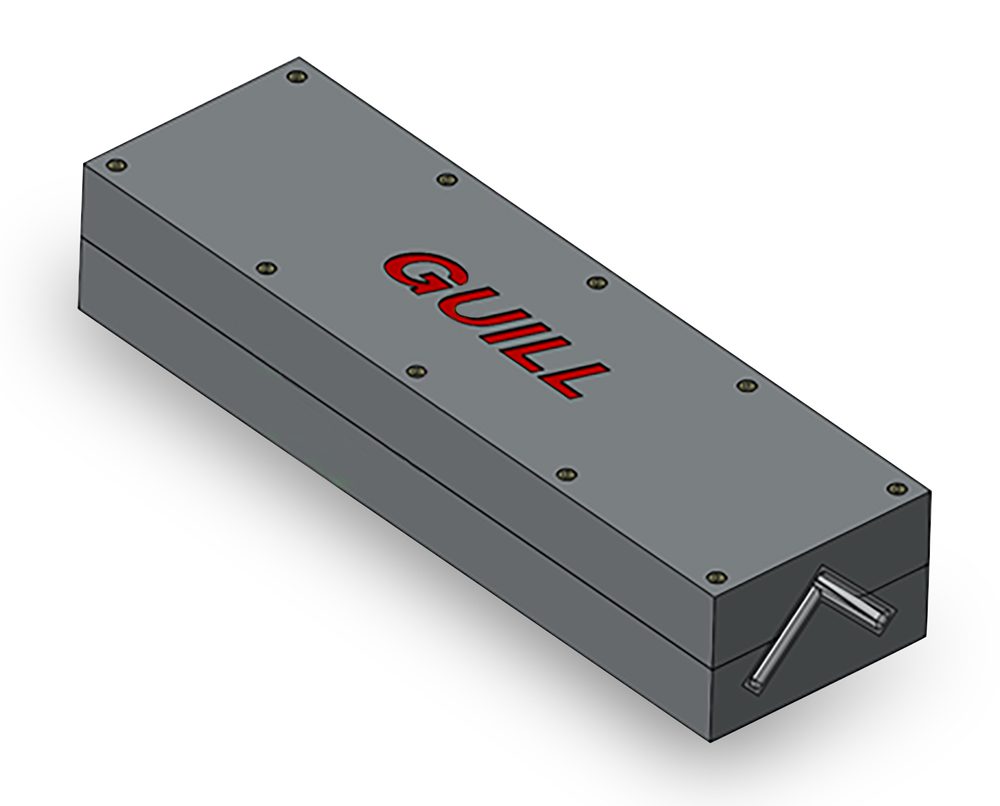
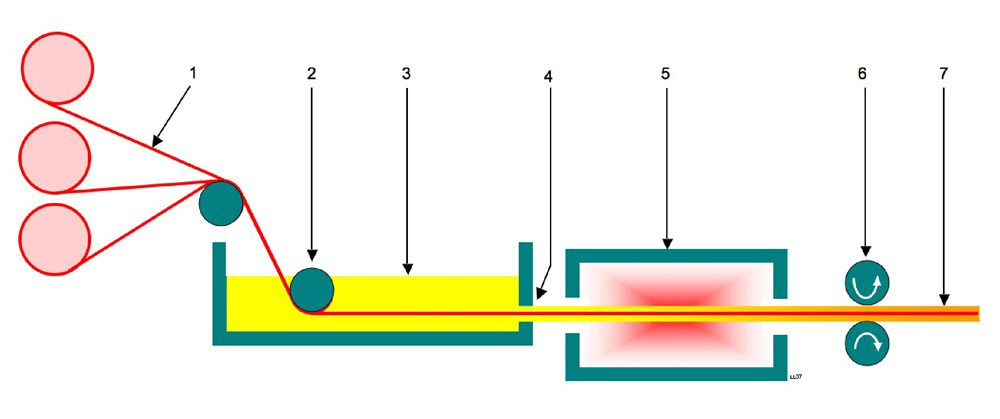
Diagram Legend
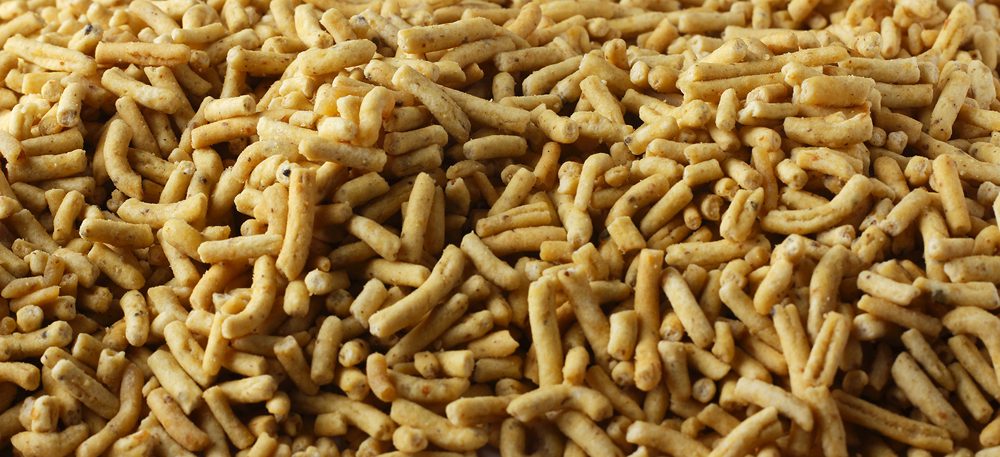
Guill Tool, the global leader in extrusion tooling, now offers a wide variety of extrusion equipment specifically for food processing.
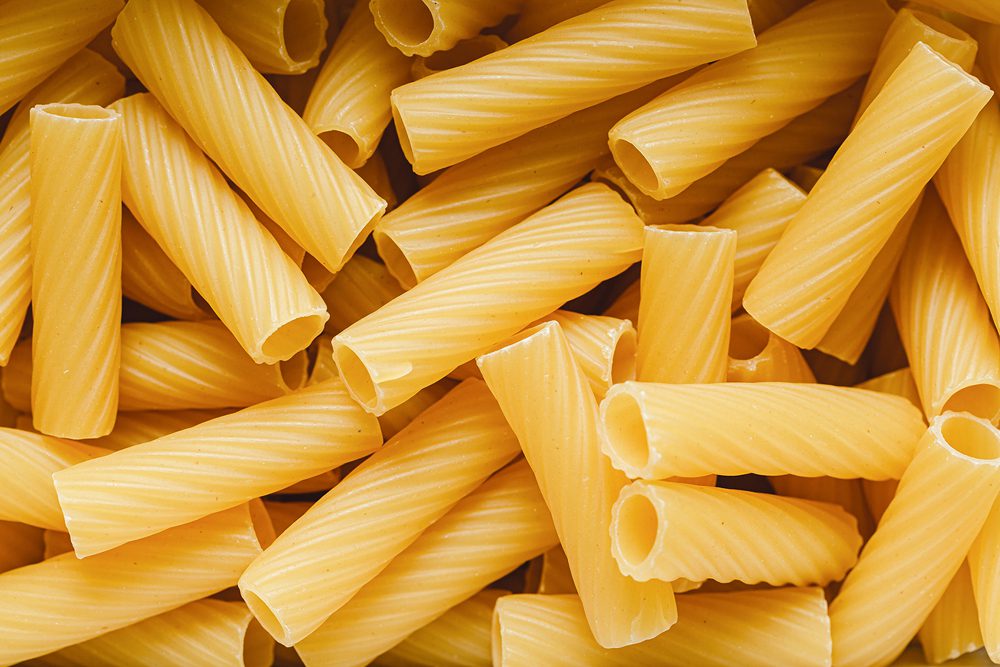
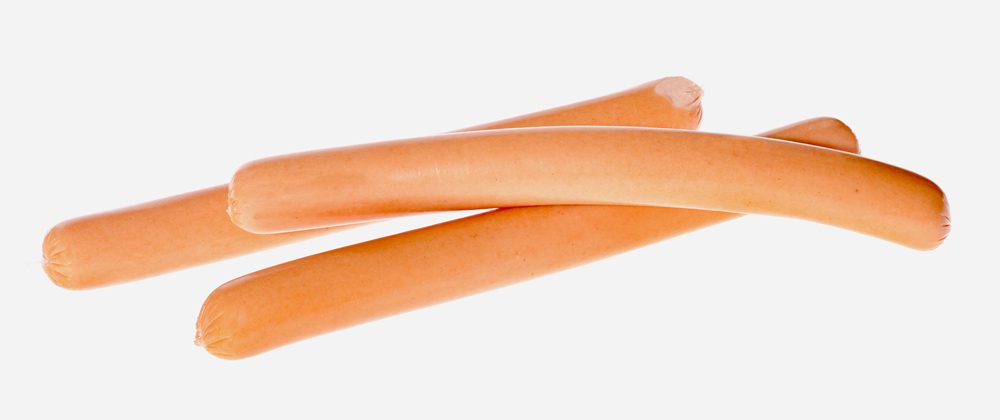
Extrusion is increasingly becoming one of the primary methods of producing a variety of traditional and innovative food products, and the company’s extrusion tooling is designed to accommodate producing all of them. This includes breakfast cereals, sausages, snacks, pasta, baby food, confectionaries and pet food. Guill’s balanced flow designs control dimensional tolerances in order to increase product quality while reducing waste.
Custom made extrusion tooling and dies make it easy to efficiently and consistently manufacture a variety of food products. More precise tooling allows for considerably reduced wasted extrudate. Furthermore, Guill’s extrusion tooling enables precise temperature control, allowing food to be manufactured under both high and low temperatures.
The company has extensive experience in food, pharmaceutical and medical applications involving stainless steel. As a result, Guill is highly skilled in the machining, welding and assembly of stainless steel dies, the standard in the food industry. Furthermore, they comply with the all the necessary standards to produce equipment for this market.
For more information, please contact:
Tom Baldock, Sales Manager, Extrusion
Guill Tool & Engineering
10 Pike Street
West Warwick, RI 02893
USA
Phone: 401-465-5526
tbaldock@guill.com


Guill Tool, the global leader in extrusion tooling, recently announced their expansion in the European market with the creation of Guill Tool Europe. They will offer a full line of Guill products, as well as sales and engineering support throughout Europe. Padric Lunn will continue to represent Guill in the UK.
From concept design to engineering, manufacturing and supporting client processes, Guill has more than 60 years of experience in regular extrusion, multi-layered applications, jacketing, multi lumen, rubber, silicone and much more. The company maintains the highest quality standards regardless of application.
Padraic Lunn Enterprises Ltd offers a full range of extrusion machinery and consultancy for all extrusion processes with a strong emphasis on tubing, wire, pipe and profile applications. The firm represents extrusion equipment companies in the UK, Ireland and other parts of Europe.
With local sales representatives in each country, Guill looks forward to establishing a strong presence on the European continent.
For more information, please contact:
Tom Baldock, Sales Manager, Extrusion
Guill Tool & Engineering
10 Pike Street
West Warwick, RI 02893
USA
Phone: 401-465-5526
tbaldock@guill.com
For more information in Europe, except in the UK, please contact:
Gerjan ter Wal, Sales Manager, Europe
Guill Tool & Engineering Europe
Phone: +31 548 659083
Gerjan.terwal@guill.eu

Guill Tool, the global leader in extrusion tooling, offers its Series 1000. This series of blow molding extrusion dies, features a core diameter between 8.5″ (219.5 mm) – 10″ (254.0 mm). Model 1025 uses material blends which are ideal for medical, automotive and specialty packaging.
Series 1000 is available as single layer, co-extrusion or triple extrusion. It adapts to existing extruder layout and, in most cases, accepts existing tooling. Features include fixed center or adjustable, built-in cartridge heaters, low inventory, expandable to multi-layer, heated core pin, one-piece body/flow diverter and split feed balanced flow.
Most products should be run fixed. Users need to change only one component to become fully adjustable. The cartridge heaters offer even heat for better flow and ensure there aren’t any cold spots. Low inventory produces no burning or stagnation, resulting in quick color change. Since it’s expandable to multi-layer, the crossheads run a variety of products. Benefits of the heated core pin and one-piece body/flow diverter are better temperature control and easy cleaning/quick change over, respectively. Lastly, the split feed balanced flow achieves concentric walls at all speeds.
For more information, please contact:
Tom Baldock, Sales Manager, Extrusion
Guill Tool & Engineering
10 Pike Street
West Warwick, RI 02893
USA
Phone: 401-465-5526
tbaldock@guill.com