
Contact us today:
(847) 934-4500
tdaro@bernardandcompany.com
Contact us today:
(847) 934-4500
tdaro@bernardandcompany.com
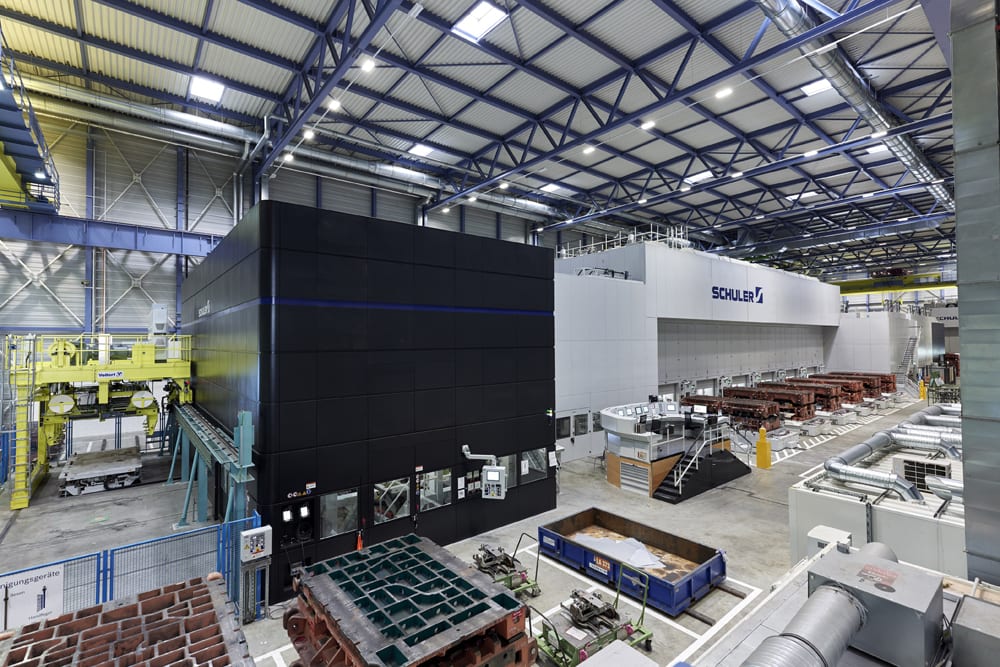
With products like servo press lines, Schuler reached consolidated sales of € 1.136 billion in 2019. © Schuler
As expected, the strategic realignment of press manufacturer Schuler resulted in high one-off burdens on earnings in 2019. Due to cyclical effects, new orders were down but performed much better than the German machine tool industry as a whole. Consolidated sales reached € 1.136 billion (prior year: € 1.212 billion). Earnings before interest, taxes and goodwill amortization (EBITA) fell to minus € 75.5 million (plus € 45.3 million).
As part of its future concept, Schuler invested heavily in 2019 in the restructuring of its manufacturing sites; in its focus on core competencies in press construction, automation and service; and in the strengthening of the Group’s innovation capabilities. The company has thus responded to the far-reaching structural changes taking place in the global automotive industry.
“Group’s inner strength permits extensive realignment”
“As a press manufacturer, Schuler is part of the dramatic transformation of the global automobile industry toward electromobility, autonomous vehicles, and digital networking. In 2019, we identified and began to implement the resulting strategic and structural consequences for our company,” stated CEO Domenico Iacovelli at the presentation of the company’s results for fiscal year 2019 in Göppingen, Germany.
“This obviously had a significant impact on earnings. However, there was no alternative. Schuler has the financial strength, the global footprint, and the technological quality to be able to withstand such a one-off burden for the workforce, the balance sheet, and earnings in a market environment characterized by challenging transformation processes and political risks. This makes us confident that we can expand our leading position in metalforming technology in the medium term and thus achieve better results once again,” added Iacovelli.
Normal operating business slightly profitable
Together with the previously announced writedowns on the intangible goodwill of subsidiaries AWEBA and Yadon, the structural measures to realign the company amounting to € 84 million, and other one-off items, Schuler recognized negative special items of almost € 96 million in 2019. Net income after taxes was minus € 121.9 million (plus € 13.5 million). In its normal operating business – in other words EBITA before restructuring costs – Schuler generated a slightly positive result of € 8.5 million in a very challenging business environment.
New orders well above one billion euros
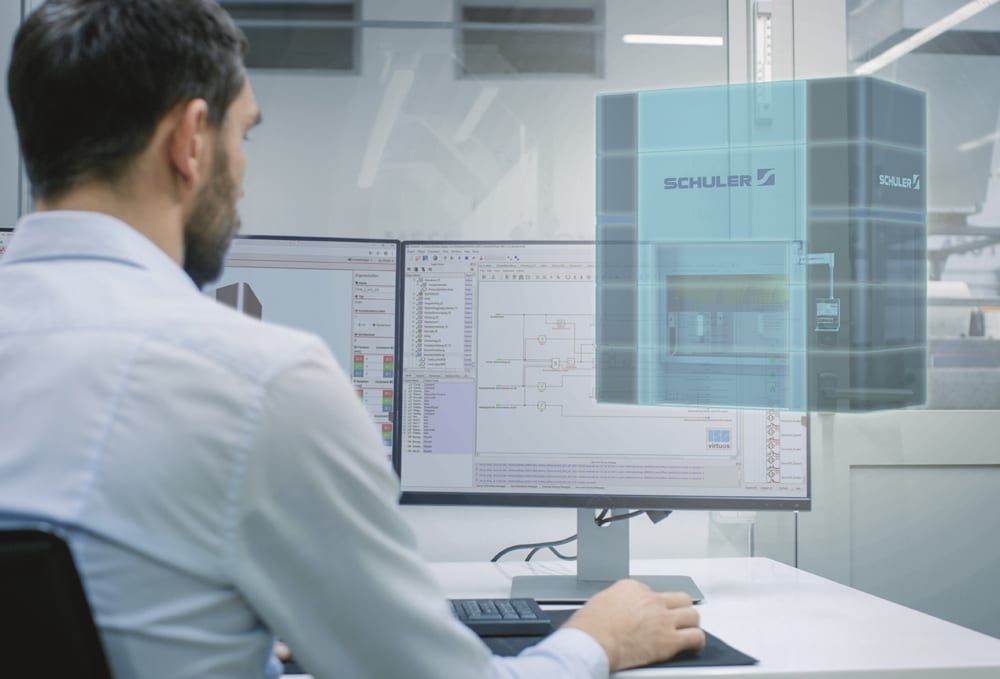
In the future, Schuler will strengthen its offerings in the field smart networking, among others. © Schuler
Schuler started its fiscal year 2020 with an order backlog of € 868 (€ 926) million. New orders received in 2019 amounted to € 1.092 (€ 1.255) billion. Europe accounted for the largest share of new orders (€ 562 million, thereof Germany € 293 million), followed by the Americas region (€ 253 million), and China (€ 221 million). With a decline in consolidated new orders of 13 percent in 2019, Schuler performed much better than the German machine tool industry as a whole, which suffered a decline of 22 percent according to the latest figures of sector association VDW.
Schuler CFO Thomas Kamphausen explained that the company had borne the full load of costs incurred by its structural adjustments in 2019. “We do not anticipate any further significant additional special items in 2020. Major cost reductions resulting from our structural adjustments are to be expected as early as 2021,” he said. “As far as our regular business development in 2020 is concerned, it is too early to estimate any effects of the Corona virus disruptions on our revenue and profits at this point.”
At the end of 2019, Schuler’s equity ratio amounted to 35.4 (40.1) percent – and was thus still above the industry average. The number of Group employees fell to 6,276 (6,574). At year-end 2019, headcount in Germany amounted to 3,962 (4,195).
Future concept: focus, localization and innovation
Announced in summer 2019, Schuler’s future concept is based on three main pillars. As the name CORE suggests, Schuler will focus in the future on its core business of building cutting-edge presses, as well as the optimization and digitalization of automation systems for the manufacturing processes of its internationally operating clients in the automotive, industrial, hydraulic and other sectors. In addition, Schuler is systematically strengthening its offerings in the field of service and smart networking.
In 2019, Schuler sold its die construction unit for the production of car body panels to Deutsche Werkzeugbau, a company set up by a strategic investor group. However, its core business of cutting-edge die construction for customers in the metalforming industry was spun off from Schuler Pressen GmbH and established as a separate growth business under the umbrella of the AWEBA Group, a subsidiary of Schuler.
Schuler Innovation Rate 2019 grows to 45.4 percent
The second pillar of Schuler’s future concept is a significant acceleration of new development and time-to-market processes in the field of press construction. The Group’s calculation basis for this objective, the Schuler Innovation Rate (SIR), doubled to 45.4 (prior year: 22.9) percent in 2019. This figure indicates that current product innovations accounted for almost half of all new orders received in Schuler’s main business fields of Automotive, Hydraulic and Industry during the past fiscal year. This enabled Schuler to offset a large part of the reduced demand from the automobile industry for classic forming technology products.
The third pillar of the future concept is a strict focus on localizing production and added value. Together with Group investment Yadon, Schuler China mainly serves customers throughout Asia. Schuler’s Brazilian operations focus in particular on the North and Latin American markets. Germany remains the location for machines and equipment produced for Schuler’s European customers. The high quality standards at all sites create a manufacturing network which can flexibly balance out peaks in demand between the regions. Within Germany, Schuler has pooled its press production in Erfurt and is expanding its home base in Göppingen to become a central innovation site. In the coming months, an additional service center with its own production and assembly capabilities serving customers throughout Germany will also be set up in Göppingen.
Schuler Group at a glance (IFRS)
About the Schuler Group – www.schulergroup.com
Schuler offers customized first-rate technology in all areas of forming – from the networked press to press shop planning. In addition to press, our product includes automation and software solutions, dies, process know-how and service for the entire metalworking industry. Our customers include automotive manufacturers and suppliers, as well as companies in the forging, household appliance and electronics industries. Press from the Schuler Group mint coins for more than 180 countries. When it comes to the digital transformation of the forming technology, we support our customers worldwide as a supplier of innovative system solutions. In its fiscal year 2019, Schuler posted sales of € 1.136 billion. Founded in 1839 with headquarters in Göppingen, Germany, Schuler AG has about 6,000 employees at production sites in Europe, China and America, as well as service companies in more than 40 countries. The company is majority-owned by the Austrian ANDRITZ Group.
For further information on Schuler Inc., North America, please contact:
Guido Broder, VP
Schuler Incorporated
7145 Commerce Blvd.
Canton, MI 48187 USA
734-207-7200
info@schulerinc.com
www.schulergroup.com
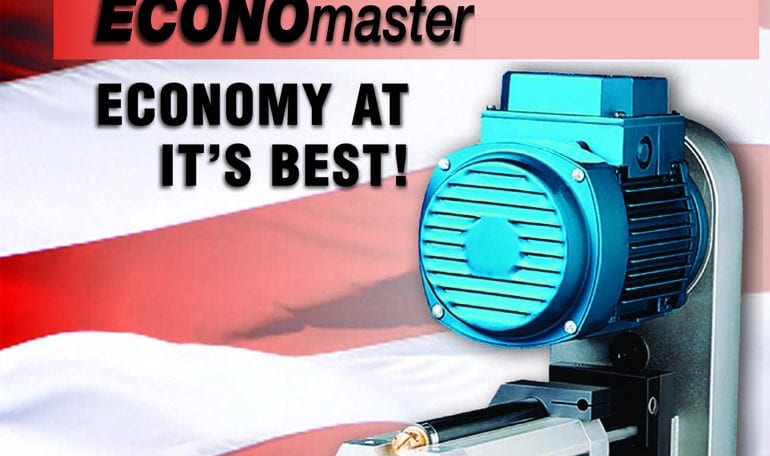
All the features and reliability of Suhner technology at an affordable price, whether OEM or end user…MADE IN AMERICA
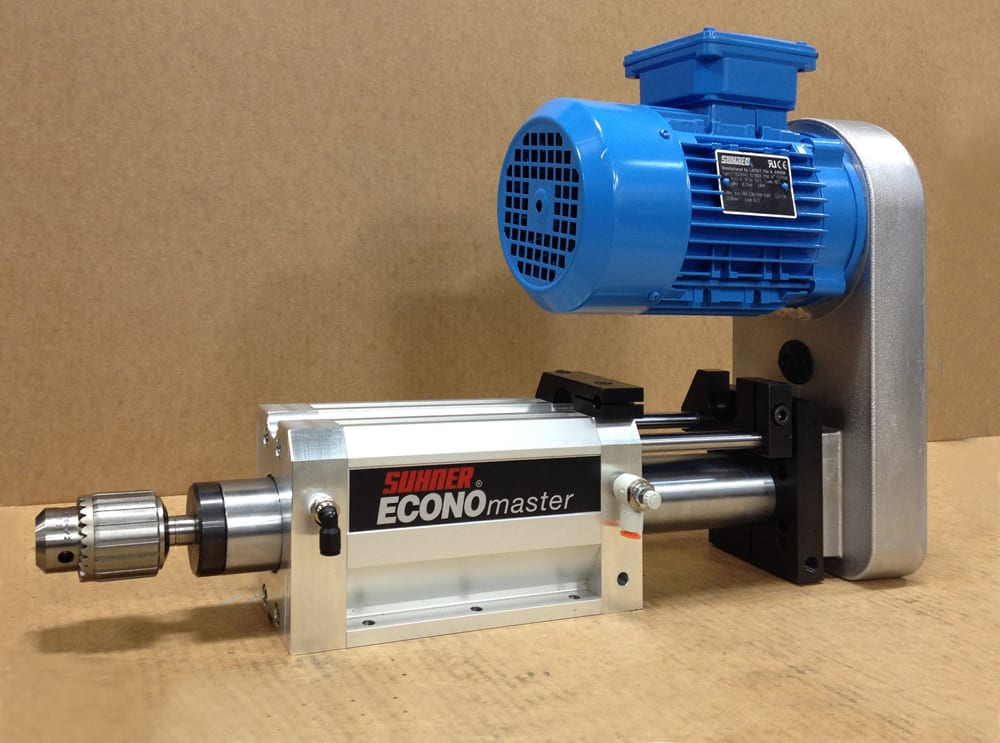
EconoMaster® value-priced drilling units from Suhner are suitable for medium-duty production cutting of light metal, wood, composite, foam and plastic materials
Suhner introduces the EconoMaster® line of drilling units, affordably priced at under $3000 for the basic unit, in stock for immediate delivery or customizable to suit the particular operation. This economical solution is ideal for multiple materials such as light metal, wood, composite, plastic and foam. Because these units are entirely produced at the Suhner factory in Rome, Georgia, response times for delivery and customized construction are very fast, according to Sales Manager Lee Coleman. “We recognized the need to bring our global technology to a local level, here in America, and the EconoMaster® is a key step in that process.” Suhner is based in Brugg, Switzerland with plants and distribution centers worldwide.
The EconoMaster® drilling unit features low power and air consumption, adjustable motor housing, adjustable total stroke up to 4”, hydraulic feed control cylinder, J33 taper spindle end, 0-1/2” drill chuck, electric front & rear position limit switches, belt tensioner and chrome-plated quill. Basic unit weight is 45 lbs.
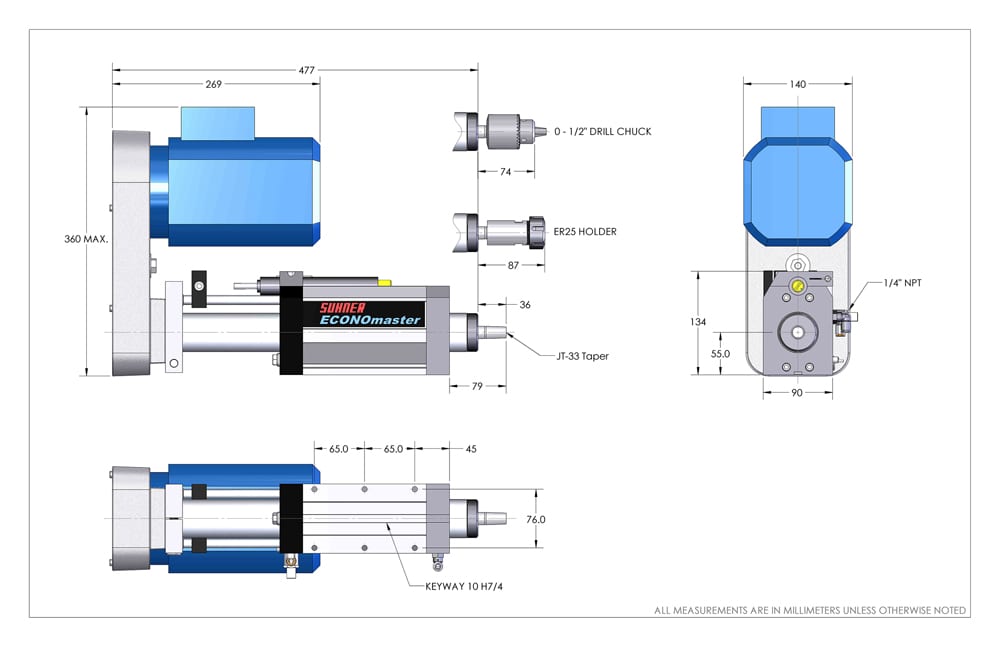 Other key features include adjustable feed stroke of ½-3”, 400 lb. thrust at 85 psi, operating pressures to 110 psi, TEFC/IP56 protection, standard 230V/460V, concentricity of .002” TIR, speed ranges to 9600 RPM and an air connection retract/advance of ¼” to 27 NPT.
EconoMaster® drilling units can be supplied with an adjustable stand, inline vertical configuration and multiple spindle heads for medium-duty production drilling, with many other spindle options and toolholders available. Please consult the factory.
For more information, please contact:
Lee Coleman, National Sales Manager-Machining Division
Suhner Industrial Products Corp.
25 Anderson Road SW
Rome, GA 30161 USA
Direct: 706-314-2927
Mobile: 706-409-1876
Fax: 706-235-8045
lee.coleman@suhner.com
www.suhner.com
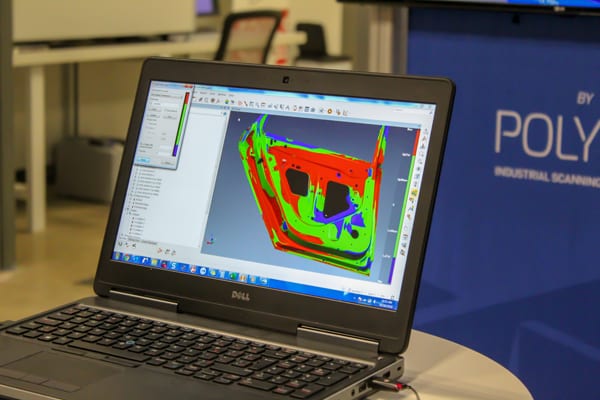
 Exact Metrology, a comprehensive metrology services provider, will be adding a new facility. With existing facilities in Brookfield, Wisconsin, Cincinnati, Ohio and an upcoming one in Texas, the company will have a center in Moline, Illinois. The new location will open on March 1, 2020 and will be located at 4715 15th Street A. The need for a new space arose from the increasing number of clients in the area.
This location will serve as a training, support, contract measurement and sales center. Training will be provided on software packages such as: PolyWorks®, Geomagic and PC-DMIS. The Polyworks® software suite maximizes productivity, quality, and profit, while integrating 3D measurement technologies into an industrial manufacturing process. Geomagic is a leading provider of 3D software that creates digital models of physical objects for industries like aerospace, archeology, medical, dental, tooling and foundry. Provided by Exact Metrology through Hexagon 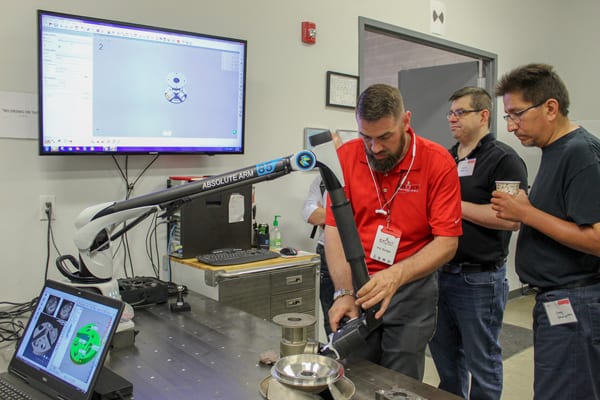 Metrology, PC-DMIS offers the most popular dimensional metrology software package. Hardware classes will be offered for Romer, Leica Tracker, Surphaser®, Leica RTC 360 and a CMM. Manufactured by Hexagon Metrology, the Romer portable measuring arms offer reliable 3D measurements. Leica Laser Trackers are ideal for measuring medium to large parts and providing a portable solution for large-scale inspection and assembly applications. The Surphaser® line provides short, medium and long range models for use in reverse engineering, dimensional control, historical preservation, architecture and forensics. Leica RTC empowers users to document and capture environments in 3D, improving efficiency and productivity through fast, simple-to-use, accurate and portable hardware and software. Lastly, Exact Metrology will also offer a complete range of portable Coordinate Measuring Machines (CMM) and custom classes for any measurement needed. Day classes and half day classes will be available.
 Contract services that will be offered include CMM measurement, custom programming, inspection and reverse engineering. Inspection is important because when a part is defined by millions of points, users can see subtle deviations, slight variations and fine details, thus ensuring that a part or mold meets certain specifications. 3D inspection is recommended for first article inspections, first-off inspections (sampling), in-process inspections, die tryouts, tool and die duplication and statistical sampling. Reverse engineering is not only used for product design but also for legacy part repair and re-manufacturing, product benchmarking, documentation and archival, site planning, defect/deterioration documentation, medical devices and custom-fit products.
Commenting on the importance of this opening, Joe Wright of Exact Metrology said, “Exact Metrology can add support and service to our customers in western Illinois and Iowa. We hope to keep growing the customer base in this area.”
Exact Metrology is an ISO AS9100 Certified along with being FFL and ITAR Registered.
Exact Metrology, with facilities in Cincinnati and Milwaukee and affiliated offices throughout the Midwest, is a comprehensive metrology services provider, offering customers 3D and CT scanning, reverse engineering, quality inspection, product development and 2D drawings. The company also provides turnkey metrology solutions, including equipment sales and lease/rental arrangements.
For information, please contact:
EXACT METROLOGY, INC.
Dean Solberg
20515 Industry Avenue
Brookfield, WI 53045
Local: 262-533-0800
www.exactmetrology.com
deans@exactmetrology.com
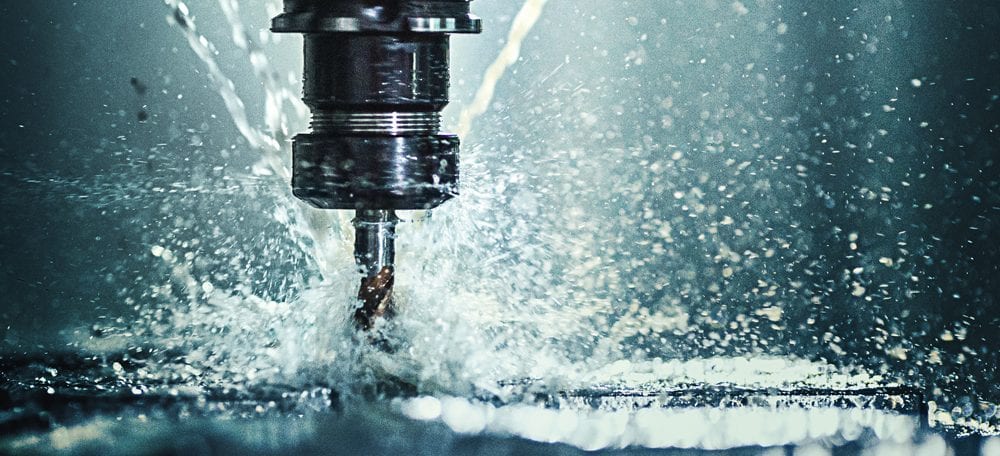
For over 55 years, Guill Tool has been providing tooling for the aerospace, extrusion, medical, consumer and commercial, defense, wind, oil and energy industries. Due to its years of experience, the company has a highly skilled team of expert machinists engineers trained in the latest CAD, CAM, CFD and FEA programs. Besides being experts in extrusion tooling, Guill is a major industrial manufacturer who can provide customers with one-stop shopping for their tooling and other select machine shop needs.
The Guill high quality standards are evidenced by the company’s many certifications, including ISO 9001:2015. Defense certifications include AS9100:2016 (aerospace manufacturing), MIL-I-45208A (inspection system), MIL-STD-45662A (calibration system), JCP Certified (government contracting), ITAR Registered (export compliant), NIST SP800-171 (cyber security) and others.
As part of this new medical machining program, Guill offers 5-axis machining centers, high precision machining, and full wire EDM capabilities with a .008” hole popper. Guill machines super alloys and exotic metals to close tolerances.
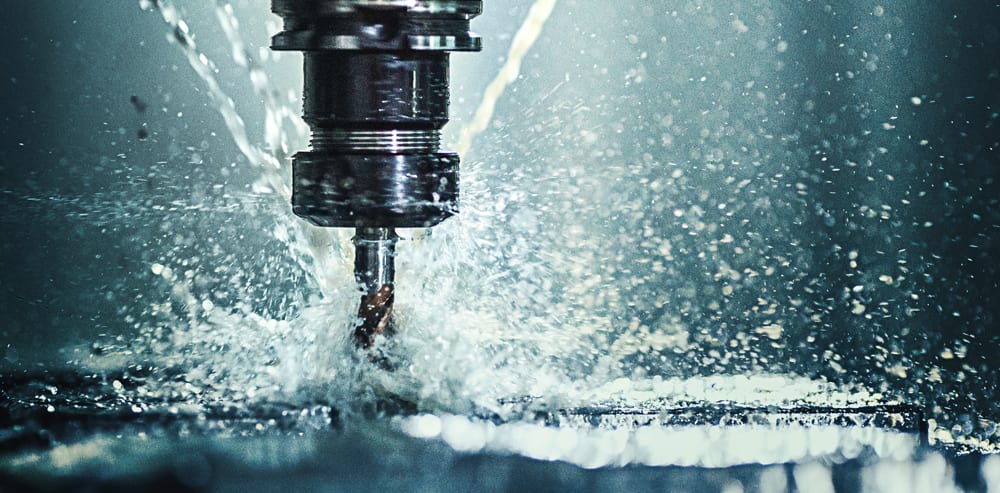 Guill CNC milling machines offer resources needed to successfully fulfill the most challenging parts and tooling to keep equipment running efficiently and precisely. The precision of CNC turning is offered for quicker production that meets rigorous standards, regardless of the complexity of the parts. Guill multi-axis machines can produce a variety of sizes, complex engineering and geometric intricacies. Prototype machining and rapid manufacturing enable engineering to develop and innovate solutions with the ability to respond and modify parts. Super alloys and other materials are offered to benefit customers who need new solutions to remain competitive. Finally, wire EDM eliminates the force put on part surfaces. This protects intricate and fragile tooling, as well as providing higher tolerances and accuracy.
Machining capabilities range from small hole machining to .008” in diameter and machining material measuring up to 15 inches in all axes.
For more information, please contact:
Matt Christofaro
Extrusion Sales
Guill Tool & Engineering
10 Pike Street
West Warwick, RI 02893
USA
Office: 401-828-7600
https://www.guill.com/industries/medical/
Guill, a global leader in extrusion tooling, now offers its substantial machine shop capabilities as an independent service to customers.
Continue reading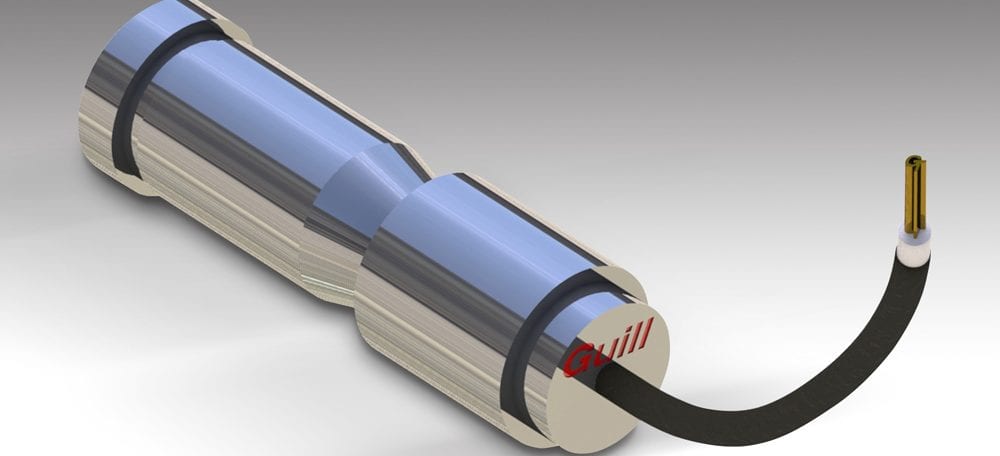
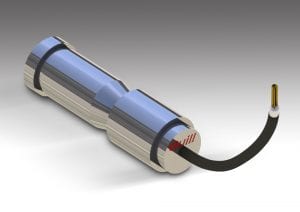
A typical Guill extrusion tip and coating wire eligible for the new 10-day delivery program.
Guill Tool & Engineering, a global manufacturer of extrusion crossheads, tips and dies, has announced its new 10-day tooling program. This program applies to eligible tips and dies that will be shipped within 10 business days of receiving the purchase order from the customer.
The company’s quality precision tips and dies have been manufactured in the U.S. for 55 years. All Guill extrusion tools are produced using certified and documented quality steel material specifically qualified for the polymer to be extruded. Furthermore, Guill designs tips and dies for any application the customer needs. These feature multi-lumen, stripe, multiple stripe, wire and cable, hose, pipe, tube, fiber optic, blown film, corrugated tube and profile. Dies include face seal, shouldered, snap together, floating die plates, interchangeable die plate and custom dies. Available tips include single and multi-lumen, threaded style, snap together, fixed center shoulder, profile, tapered style and custom. To find out which tools are eligible for the program, customers can check with any sales representative. For all other parts, company personnel will review the customer’s drawing to determine if it is eligible for the program.
Eligible tips and dies for this program cannot be plated and must have a diameter less than 1.5” and a length less than 4.75.”
Guill proudly manufactures all its products in the U.S. under the quality standards ISO 9001:2015 and AS 9100:2016.
For more information, please visit the website or contact:
Matt Christofaro
Extrusion Sales
Guill Tool & Engineering
10 Pike Street
West Warwick, RI 02893
401-828-7600
www.guill.com
 The 42nd annual SHOT Show will take place between January 21 and 24, 2020 at the Sands Expo Convention Center in Las Vegas, Nevada. It is the largest trade show for target shooting, hunting, outdoor and law enforcement products. Over four days, the show generally attracts over 60,000 industry professionals and hosts more than 1,600 exhibiting companies.
Exact Metrology will be exhibiting at the upcoming show. Their main technologies featured will be CT scanning, Geomagic Design X and Polyworks Inspector™ software. In addition, Exact Metrology will discuss structured light. According to Jason Kleinhenz, an engineer and trainer at the company, “CT scanning in combination with Design X (for reverse engineering ) and/or Polyworks (for quality inspection) creates opportunities for reverse engineering and quality inspection of internal components, very accurately, not possible through any other tool. Structured light systems allow highly accurate 3D data collection via line-of-sight.”
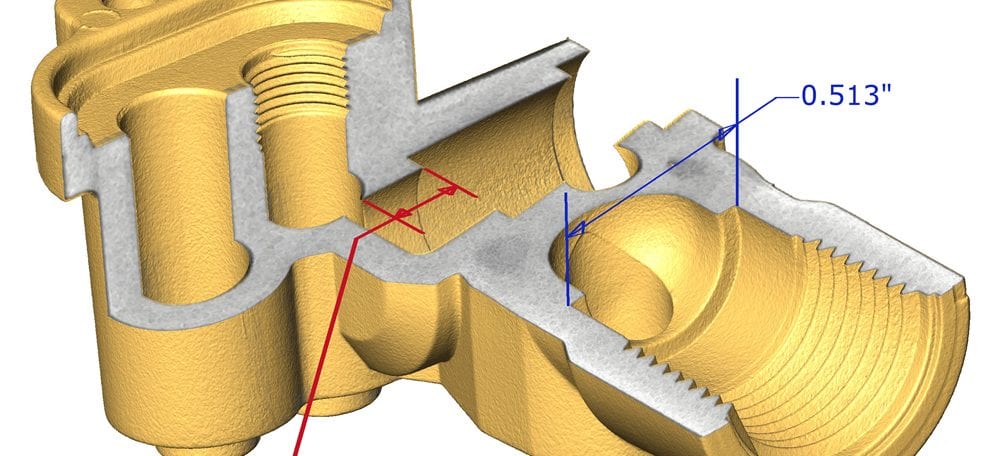
CT scanners permit the exploration of the interior of parts without any harm or destruction to the parts themselves. This technology takes multiple readings from various angles and converts the CT grey scales images into voxel-based 3D point clouds. After the CT scanner generates the point cloud data, Exact Metrology generates a CAD-to-part comparison map, dimension the part or reverse engineer it.
Geomagic Design X allows provides an easy path from creating editable, feature-based CAD models from a 3D scanner to integrating them into existing engineering design workflow. Furthermore, the software allows users to re-use existing designs without having to manually update old drawings or re-measure and rebuild a model in CAD. Finally, Geomagic Design X is easy to learn and use.
Polyworks Inspector™ uses high-density point clouds and contract-probe datasets to control the quality of parts and tools at every manufacturing process phase. Using this software, users can acquire and control tool and parts dimensions, prevent manufacturing and assembly issues, guide assembly building and oversee the quality of assembled products.
Structured light, commonly known as blue light scanning, describes the use of 3D light-based scanners. Generally, structured light-based scanners offer the most accurate and highest resolution data. “Blue” refers to the color of the LED bulb in the projector.
Josh Schradin and John Legleu from Exact Metrology, will be there to answer any questions attendees may have. Schradin is head of the CT department, while Legleu is a technical salesperson.
Please stop by Exact Metrology at booth 51415 SUP during the show.
Exact Metrology is an ISO Certified, AS9100, FFL and ITAR Certified Company.
Exact Metrology, with facilities in Cincinnati and Milwaukee and affiliated offices throughout the Midwest, is a comprehensive metrology services provider, offering customers 3D scanning, reverse engineering, quality inspection, product development CT scanning and services and 2D drawings. The company also provides turnkey metrology solutions, including equipment sales and lease/rental arrangements.
For more information, please contact:
EXACT METROLOGY, INC.
Steve Young
11575 Goldcoast Drive
Cincinnati, OH 45249
Local: 513.831.6620
Toll Free: 866.722.2600
www.exactmetrology.com
stevey@exactmetrology.com
Dean Solberg
Exact Metrology, Inc.
20515 Industry Avenue
Brookfield, WI 53045
Local: 262.533.0800
www.exactmetrology.com
deans@exactmetrology.com
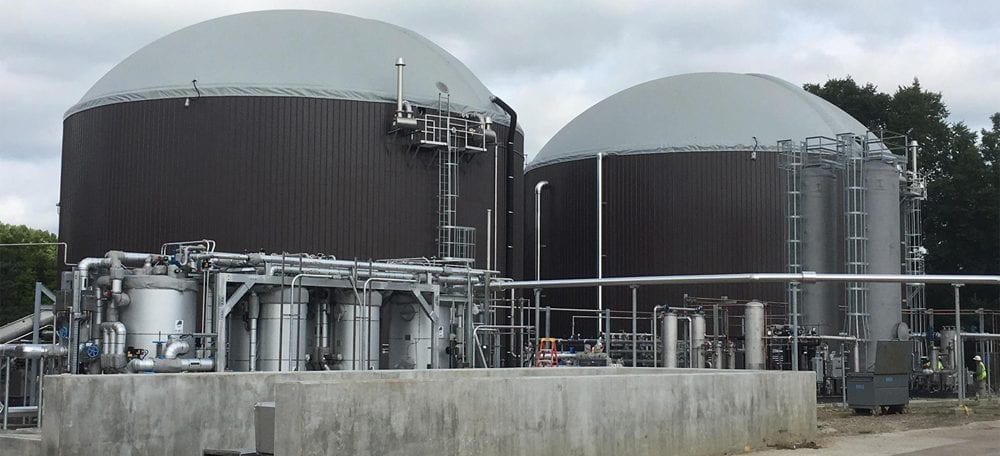
Centrisys/CNP has signed an exclusive U.S. distributor agreement with LIPP America Tank Systems, LLC for water, sludge and digester tanks. LIPP has a patented stainless steel digester system that allows digesters to be built on-site in less than two months. The short construction period and patented digester building system allow Centrisys/CNP to offer its clients cost-effective, high-quality digesters with a long life cycle. The LIPP product line compliments Centrisys/CNPs product portfolio by offering its customers solutions for resource intensification and resource recovery.
“Like Centrisys/CNP, LIPP is a highly innovative, privately-owned company. This partnership allows us to customize digesters and storage tanks with short delivery times and attractive costs,” said Gerhard Forstner, CNP President. “The distributor agreement enables Centrisys/CNP to retrofit even small wastewater treatment plants and convert them to resource recovery centers by recovering water, energy and nutrients.”
 Centrisys/CNP promotes and sells LIPP tanks through its independent manufacturer representative network. With the addition of these tanks, Centrisys/CNP and its representatives offer an entire product portfolio for sludge and biosolids treatment. Centrisys/CNP offers innovative sludge thickening with its THK series, dewatering with its proven CS Series, thermo-chemical hydrolysis process, phosphorus recovery and biosolids drying, in addition to LIPP tanks.
“We at LIPP America Tank Systems are honored and extremely excited to be a new partner with the Centrisys/CNP team,” said Al Lettinga, President/C.E.O. “We are confident that working together, we can make tremendous penetration within the municipal bioenergy and waste treatment market with our special LIPP double-fold tank technology. At LIPP America, as in the world markets, we stand out as a high quality and very unique tank technology. The LIPP double-fold and dual stainless plating system are a one-of-its-kind in the entire world market. Therefore, we are set apart against any liquid storage system in the market today.’
LIPP recently built a municipal anaerobic digester in Ohio and three more are currently being built in Michigan.
Centrisys/CNP supports global sustainability through its resource intensification portfolio with water and wastewater equipment and processes. Our systems are designed for simple operation using less energy, less space and fewer chemicals. Centrisys Corporation is a U.S.A. manufacturer of dewatering centrifuges, sludge thickeners and complete dewatering systems for municipal and industrial water and wastewater. Centrisys’ service department is a leader in global service, repair and parts for all centrifuge brands. CNP – Technology Water and Biosolids Corporation designs and supplies nutrient recovery and biosolids treatment optimization systems. CNPs key technologies are AirPrex® and CalPrex™, phosphorus recovery technologies that produce struvite and brushite fertilizers, and PONDUS, a Thermo-Chemical Hydrolysis Process (TCHP) which increases biogas production and digester capacity and reduces sludge volume and polymer consumption. CNP is a U.S. distributor for digester and storage tanks and hydrograv® adapt Variable Inlet System.
For more information, please contact:
Centrisys/CNP
9586 58th Place
Kenosha, WI 53144
262-654-6006
marketing@centrisys.com
www.centrisys-cnp.com
Jason Kleinhenz is one of many Exact Metrology employees at the company’s Cincinnati office, located at 11575 Goldcoast Drive. While he does not have an official job title at the company, Kleinhenz describes himself both as an engineer and as a trainer. His job duties include managing and performing training, as well as marketing and creating content for Exact Metrology.
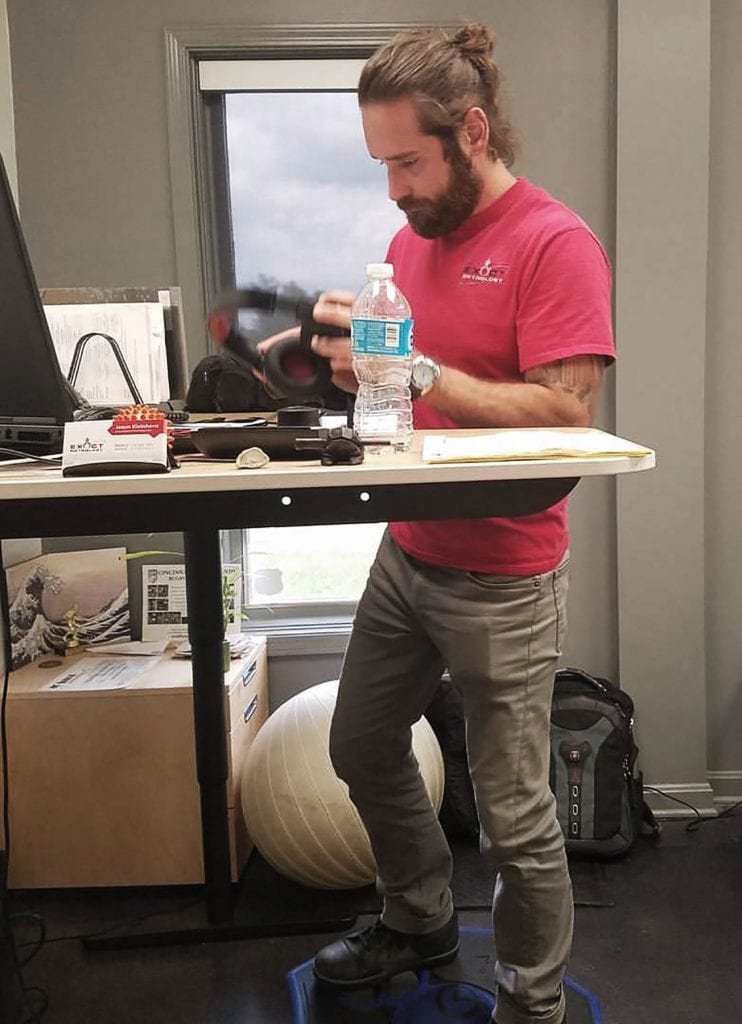
His first work experience came at age 12, when he and his brother started their own lawn care business. To support himself during his time at the University of Cincinnati, he recalled working “almost every food/beverage position possible.” This included employment at the famous French restaurant Jean-Robert at Pigall’s. Kleinhenz also worked in the university’s Nanomedicine Development Center. As a paid intern, he built RNA nano-motors that would attach to cancer cells and inject healthy DNA. He further broadened his experience with a job at General Electric in Japan, working in the environmental health and safety department. After graduating with a degree in biomedical engineering, Kleinhenz remained at the University of Cincinnati performing research on the female pelvic floor for the Biomedical Engineering Department.
Kleinhenz started working in metrology in 2011, but had a 2-year hiatus. During that time, he worked as a Solutions Engineer at MHI Inc, a specialized heating manufacturer. He started working at Exact Metrology in 2015 as an applications engineer. Next, he took over the position of sales coordinator before handling his current tasks. According to Kleinhenz, “The best part of working in metrology is that one day you might be working on a rocket and the next day on a beautiful piece of art (and everything in between).” Regarding his most memorable experience at Exact Metrology, he mentioned his trip to Peru this past summer. During two weeks, he helped scan Peruvian artifacts for preservation and deliver school supplies to a rural community. “My mission in life is to relay joy, love and enrichment. Peru was a great experience because I was able to check the box of each of those, and the relationships and communities formed are invaluable.”
Besides his work at Exact, Jason started 2 companies. One delivers fresh cooked meals weekly while the other operates as a non-profit to raise money and “do good” for local area parks and communities through a hockey league. He also built and operates 2 donation-based services; a podcast studio and a gym.
Exact Metrology is an ISO Certified, AS9100, FFL and ITAR Certified Company.
Exact Metrology, with facilities in Cincinnati and Milwaukee and affiliated offices throughout the Midwest, is a comprehensive metrology services provider, offering customers 3D scanning, reverse engineering, quality inspection, product development and 2D drawings. The company also provides turnkey metrology solutions, including equipment sales and lease/rental arrangements.
For more information, please contact:
Jason Kleinhenz
Exact Metrology, Inc.
11575 Goldcoast Drive
Cincinnati, OH 45249
Phone: 513-813-4221
Mobile: 513-262-7097
www.exactmetrology.com
jasonk@exactmetrology.com
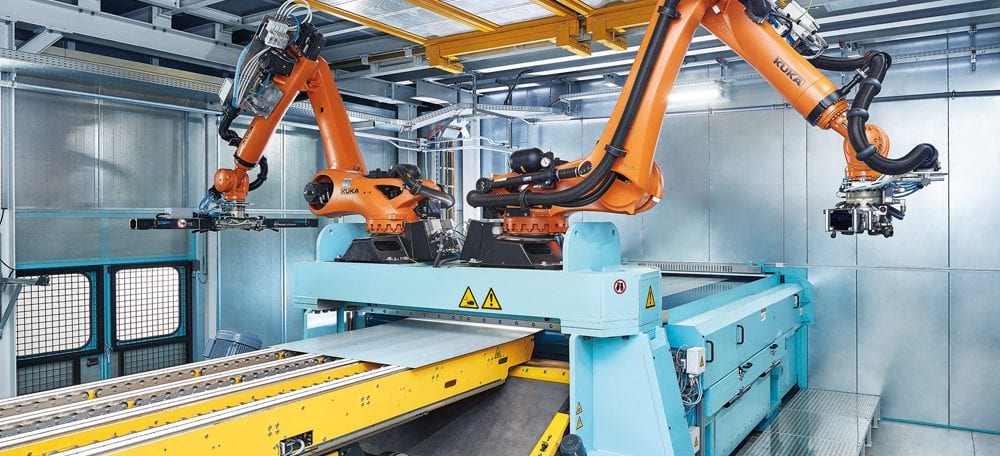
Canton, Michigan, December 2, 2019 – Customers from Germany, the US and China have already invested in laser blanking lines from Schuler. Recently, Schuler received another order from the People’s Republic—this one by one of the largest Chinese steel producers for a plant in Tianjin, as well as an order from a customer in South Africa. Around 50 visitors took advantage of Schuler’s invitation to learn about the benefits offered by the technology during two days in Heßdorf, Germany. They also had a chance to look at the actual system that will be delivered to China.
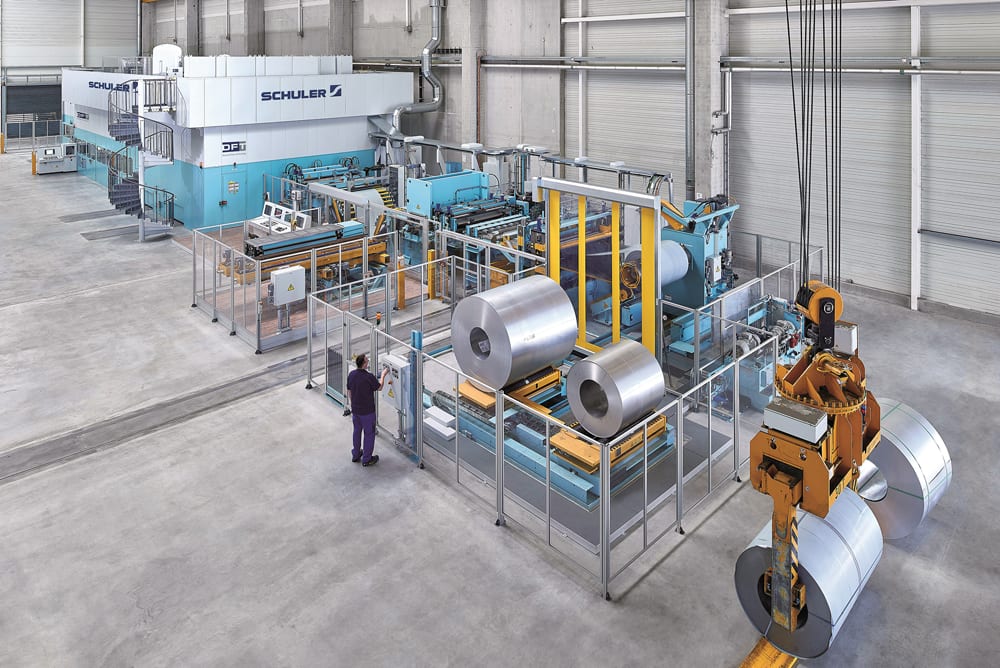
South African automotive supplier VM Automotive is expected to begin producing blanks for the plant of a high-end German automaker in South Africa (among other jobs) on a Laser Blanking Line 2.18 in the fall of 2020. The newly established blanking operations will handle the full scope of material logistics for the car manufacturer, thereby increasing the value in South Africa. By investing in this highly flexible laser blanking line, VM Automotive was able to gain the upper hand over competitors that use conventional blanking systems. Additional logistics centers are planned for other auto manufacturers in South Africa.
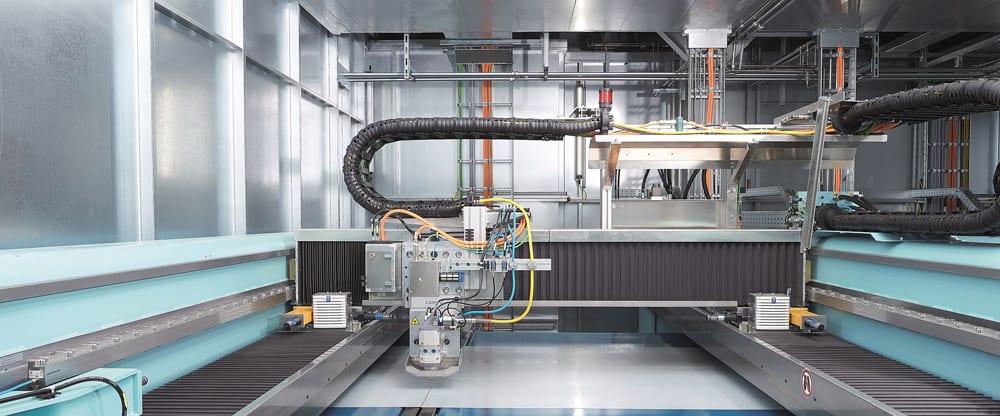
In 2014, a high-end German automaker ordered one of two laser blanking lines for mass production, and the equipment began producing two years later. “Our customer no longer has any dies for these blanks,” noted Martin Liebel, who manages the Schuler site in Heßdorf, a town located in the vicinity of Nuremberg. A highly flexible laser beam now performs the work formerly handled by the dies. This laser beam makes it possible to alter the blanking shape at the push of a button, whereas altering a blanking die can take several months, not to mention the accompanying costs for storage and maintenance. And when the set up time is taken into consideration, the overall equipment effectiveness (OEE) climbs to 80% for the laser blanking line, compared to just 65% for conventional press blanking lines.
With the system’s DynamicFlow Technology, a laser blanking line is up to 70% as productive as a modern servo blanking line with a press. “Output actually significantly exceeded our expectations,” said Liebel, adding that it had been possible to regularly increase output by a few percentage points with the help of a number of smaller measures. A proven cleaning process ensures that the system produces high-quality blanks which are also spotless—an important requirement for critical body shell parts. The same German carmaker went on to order two additional high-tech lines in 2017.
At roughly the same time, Schuler began developing a new concept featuring two laser heads instead of three. “We needed a basic machine that would also deliver solid, acceptable performance for the rest of the world,” said Liebel. The decision proved to be the right one, as evidenced by the orders for one Laser Blanking Line 2.18 each from China and South Africa this year. “The systems are becoming more and more dynamic, and the concept will win out in the end,” said a confident Liebel.
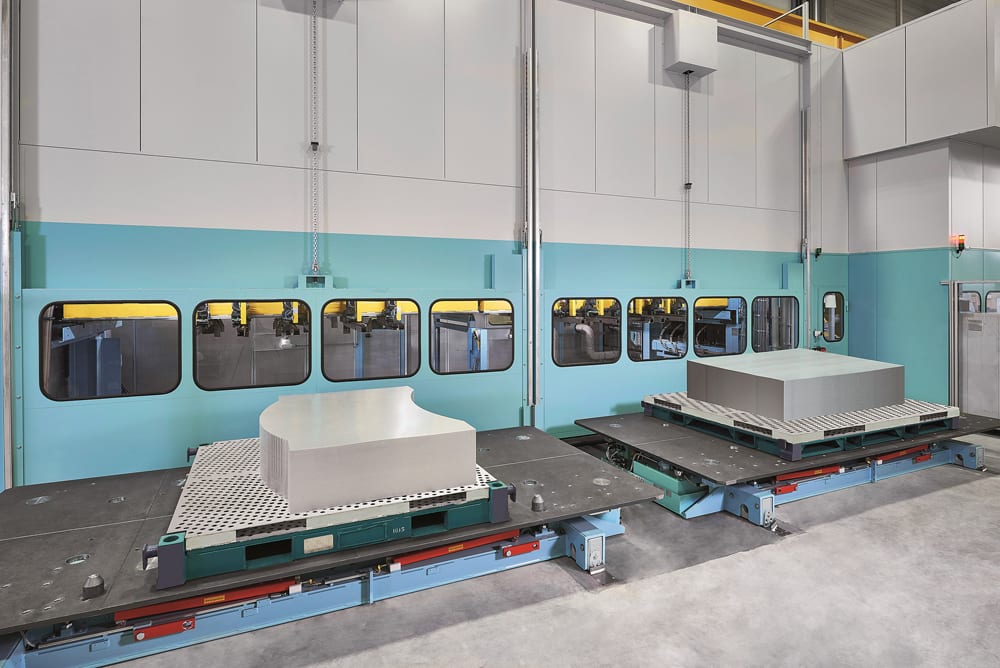
One of the things that makes these systems so dynamic is the distance control for the lasers. This control maintains a distance of 0.7 to 0.9 mm from the continuously moving coil and, where necessary, corrects the distance within fractions of a second to ensure that any residual surface irregularities in the sheet metal do not damage the heads. Liebel explained, “This axis is critical to the line’s output. Each coil contains residual waves. If I’m looking to blank at a rate of 100 meters per minute, I need to be able to respond extremely dynamically.”
Larger surface irregularities are eliminated by the straightener. “The straightening result is a key ingredient to a stable process, especially for the laser blanking line,” added Regional Sales Manager Justine Fonteyne. “To make this happen, we use the ‘Check2Flat’ system, which adjusts the crowning on the straightener rollers.” Either the visualization system makes a recommendation based on the adjustment system, which the operator must then review, or the straightener itself can provide a fully automated control. “It’s important to remove as much of the tension from the material as possible so that the metal doesn’t pop up during blanking. These types of systems help to ensure process stability.”
According to Liebel, another increasingly important aspect for carmakers is the intelligent capacity utilization of production facilities across the globe. “But it’s difficult to make a product somewhere else on short notice if you’re using a press blanking line. To do so, our customers first have to move the die, prepare it for shipment and then send it off.” If a supplier is producing the blanks, the scrap chutes or something else may not fit. “With laser blanking lines in the production network, all I have to do is send a data set for the desired part and make sure that the coil material is available on-site. If the system has available capacity, production can start one or two hours later. It’s really a huge advantage.”
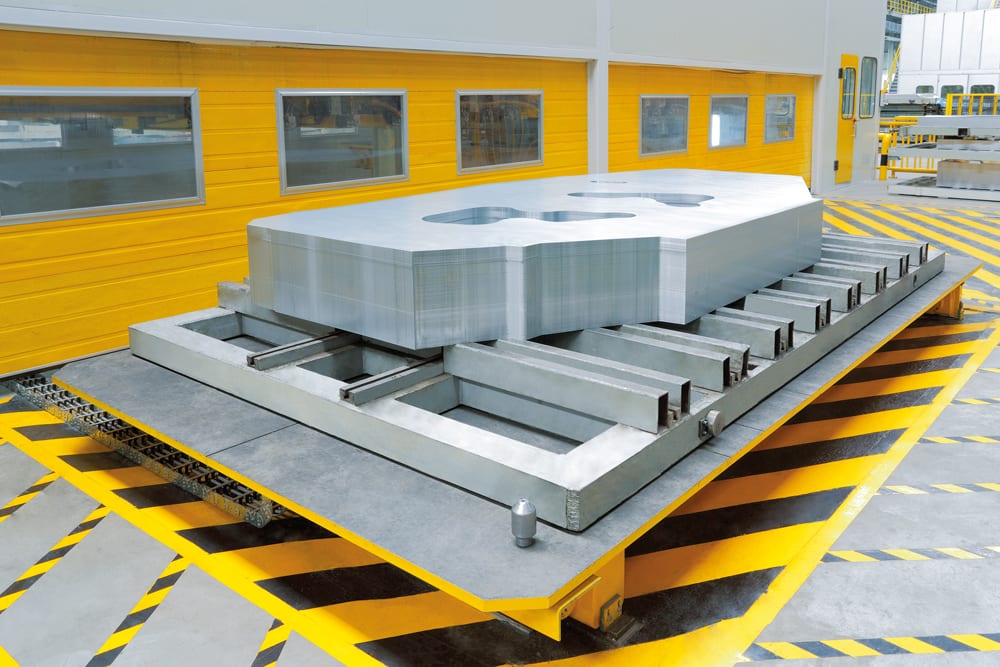
Fonteyne’s coworker Berthold Jüttner offered another example: “One of our customer’s plant managers had a problem with a blanking press and had asked another plant manager if he would be able to cut a few blanks for him on the latter’s laser blanking line. He then immediately sent the drawings and had the coils brought to the site. Blanking began the next day.”
In addition to the newly achieved blank programming freedom, Jüttner saw another advantage in the line’s excellent dimensional accuracy, reproducibility and surface quality. “There are no burrs and the amount of cuttings is significantly less than in conventional blanking.” The so-called “angel’s hair” phenomenon is especially prevalent where blanks are cut from aluminum coils, and is also the reason why blanking presses regularly need to stop so that the dies can be cleaned. “This is no longer an issue with the laser blanking line.”
Laser blanking also makes it possible to support the material across its entire surface area. “We can nest the parts edge-to-edge on the coil and no longer need the 8 to 10 mm dividers required when using the blanking dies. For small cutouts, we can briefly open the belts and the scrap can drop into the scrap chute. On the new lines, the scrap and the usable parts are no longer separated using robots, but rather by an intelligent sorting system. This provides an additional boost in output.”

The growing amount of high strength steels used in automobiles is increasingly pushing blanking presses closer and closer to their maximum mechanical loads, adds Liebel, who noted: “When it comes to yield strengths, there are no limits in laser blanking. We have performed many tests and high-strength steels are no problem.” As Jüttner added, “The laser doesn’t care at all what’s under it.”
According to Liebel,” The bundled beam of light darts across the metal coil at speeds of up to 100 meters per minute and a thickness between 0.7 and 2.5 mm.” Before the year 2000, it was only possible to achieve blanking speeds of 4 or 5 meters per minute using CO2 lasers. Then the fiber laser made its triumphant entrance and opened up the possibility of laser blanking for the first time. This development wouldn’t have been possible with conventional gas lasers.”
In addition, noise emissions are much lower than with blanking presses. “If sound protection is installed on the laser blanking line, you’ll have to look very carefully to see whether the line is running or not,” Jüttner commented. He added that a person can have a completely normal conversation, as long as a press isn’t running next to them. The investment cost is also significantly lower, since the laser line is not as tall and also does not require an elaborate press foundation. “That’s a huge cost factor,” concluded Jüttner. The loop for the material buffer is also routed above ground. However, the laser line’s energy requirements are comparable to those of a press blanking line.
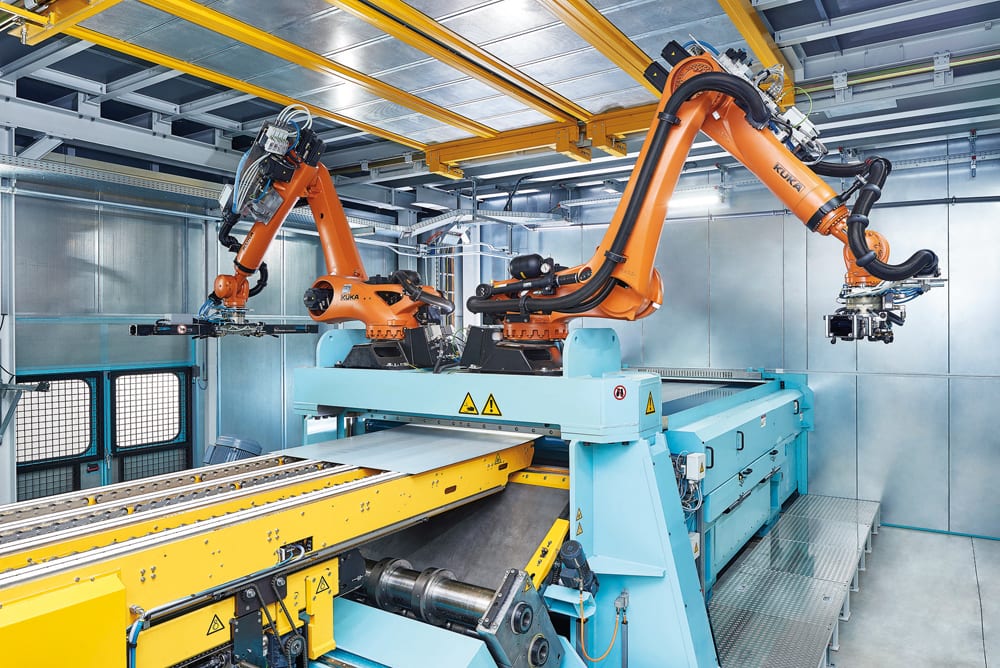
Schuler has developed a software package, the LBL Studio, designed to greatly reduce the operator workload required to program the laser cutting movement. “All you have to do is upload the drawing data and the program will calculate the best-possible contours, the possible nesting options and the optimum level of laser utilization,” Fonteyne said as she listed the software’s benefits. “This means that users can already define the laser movement contours and configure the transitions offline. The binding output quantities can also be predicted. After that, the data can be transferred to the control system, and production can be run exactly as configured.”
www.schulergroup.com/Laserblanking
About the Schuler Group – www.schulergroup.com
Schuler offers customer-specific cutting-edge technology in all areas of forming technology – from networked presses to press shop planning. In addition to presses, the product portfolio also includes automation and software solutions, dies, process know-how and service for the entire metalworking industry. Our customers include automobile manufacturers and automotive suppliers, as well as companies from the forging, household appliance and electronics industries. Presses from the Schuler Group mint coins for more than 180 countries. As a provider of innovative system solutions, we support our customers worldwide in the digital transformation of forming technology. In the 2018 fiscal year, Schuler generated sales of € 1 212 billion. Schuler AG, founded in 1839 at its headquarters in Göppingen (Germany), has approx. 6 600 employees at production sites in Europe, China and America as well as service companies in over 40 countries. The company is majority-owned by the Austrian ANDRITZ Group.
Schuler in Heßdorf was founded in 1962 as Hermann Schleicher GmbH, with the original headquarters in Erlangen, before joining the Schuler Group in 1990. The facility’s product portfolio includes automation solutions ranging from coil loading to end-of-line destacking. The most important areas it serves are the auto manufacturing, automotive supplier, and household appliance industries. The location employs approximately 350 people.
For further information on Schuler Inc., North America, please contact:
Guido Broder, Vice President of Sales & Marketing
Schuler Incorporated
7145 Commerce Blvd.
Canton, MI 48187 USA
734-207-7200
Guido.Broder@schulergroup.com
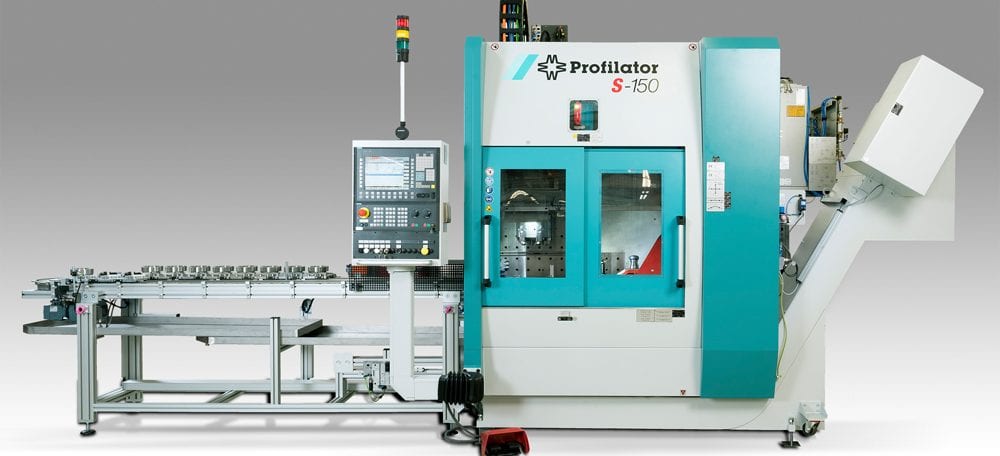
GMTA, the North American distributor of Profilator, has added new machines using the process modules it already supplies. Profilator is suitable when customers require complex machining processes to be carried out effectively, efficiently and with high precision.
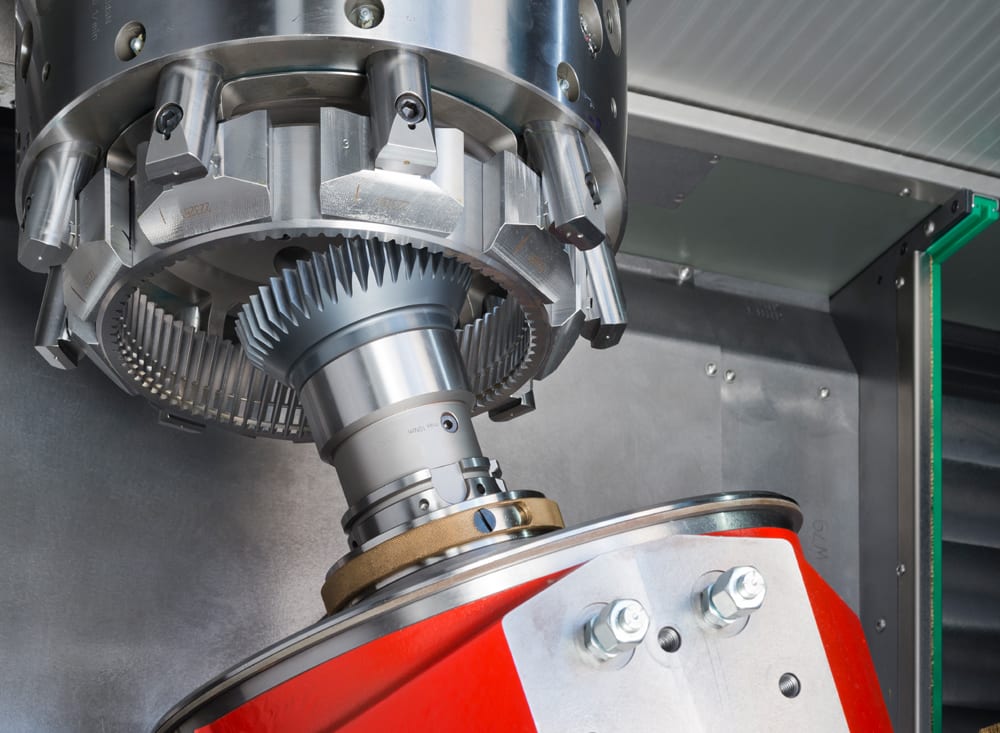
Today, an operator working on a modern machine expects a flexible manufacturing process, short cycle times, reduced investment and running costs. With these requirements in mind, Profilator offers polygon & face slot machining, gear tooth pointing, chamfering and deburring, gear and spline cutting, shifter stop machining and Scudding®.
The polygon turning unit is used for castle teeth machining on automotive gearbox parts. The rotating cutterhead is synchronized with the workplace spindle and a front face coupling is produced with the carbide insert arrangement and the transmission ratio. With additional inserts on the same cutter head, the part can be deburred. In gear tooth pointing, the pointing tower can be used in both rotative and indexing modes. Settings and corrections are made through the new Ergo Control SIMPS® (Profilator Simplified Integrated Machine Programming System). For the chamfering and deburring of splines, gear wheels and shafts, Profilator uses the ZEM series gear deburring machines. This vertical, single spindle gear deburring machine offers clear advantages over conventional deburring machines. Gear cutting is used both for the Profilator rotative gear cutting with inserts and for hobbing. Through the application of Schlagzahn tools and carbide inserts, customers achieve the most economical manufacture of splines, gears, involute gears and front face gears. The shifter stop is synchronized so that the tool machines each tool flank. Lastly, Scudding® can be used for a wide range of symmetrical gear applications as well as non-symmetrical gear or profile applications such as belt pulleys and synchronize gears. The same machine can be used for internal and external Scudding® applications.
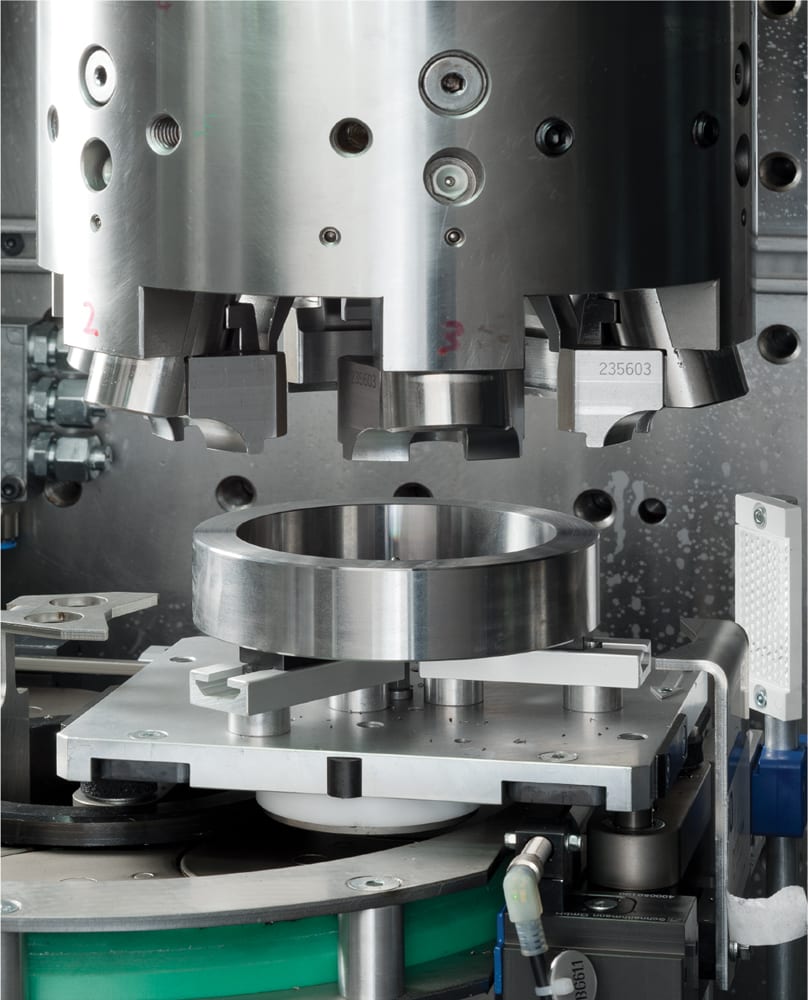
Profilator developed the S-type machine. This is a compactly and modularly designed, vertical single spindle pick-up gear cutting machine. Machines in the S Series are better than broaching and most applications feature a dry machining process. All machine components are designed for especially high static stiffness and optimal dynamic behavior. Furthermore, the machine’s twin spindle arrangement speeds up the process considerably. A control panel and a media container are installed on the rear of the machine bed. The workplace flow direction is variable. S-type machines are available in three sizes, namely Profilator S-150, Profilator S-250 and Profilator S-500. Profilator S-150 has a part diameter up to 150 mm, while Profilator S-250 and S-500 have a part diameter up to 250 mm and 500 mm, respectively.
For more information, please contact:
Walter Friedrich
President
GMTA
4630 Freedom Drive
Ann Arbor, MI 48108
+1-734-973-7800
walter@gmtamerica.com
www.gmtamerica.com
GMTA is the exclusive distributor for a number of top-quality German and other metalworking machine builders companies including Arnold, BvL, K+G, Praewema, Profilator, Rasoma, Samag and WEMA Glauchau. The company’s headquarters is located in Ann Arbor, Michigan with a subsidiary in Queretaro, Mexico.
Continue reading